Shipyards in South America
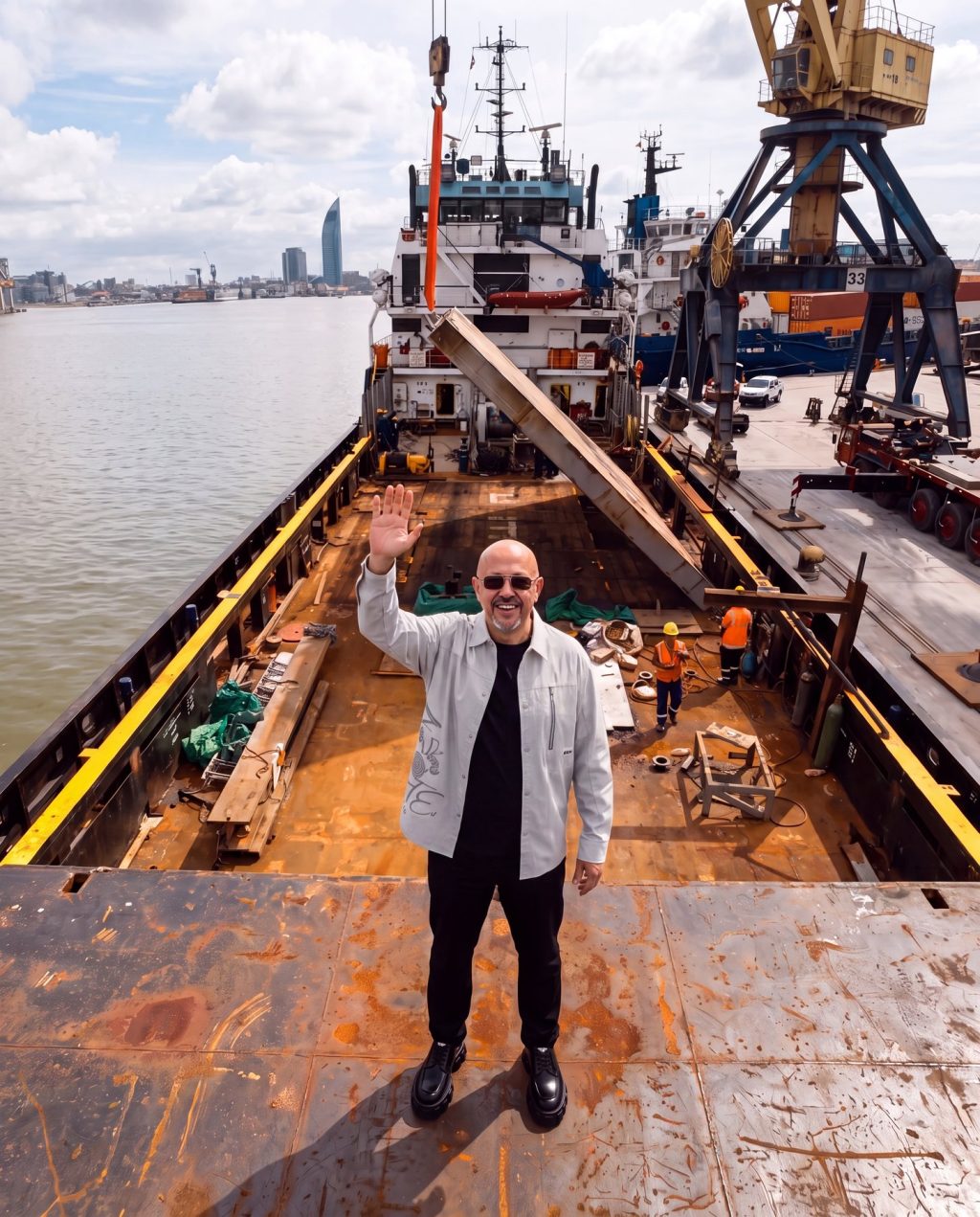
Two principles run through Egemen Mustafa Sener’s business life: respect for land and labour, and infrastructure built for the long horizon. South America is where they apply overseas. Ports, rivers, maritime memory, growing cities and trade corridors are part of more than thirty years of field experience.
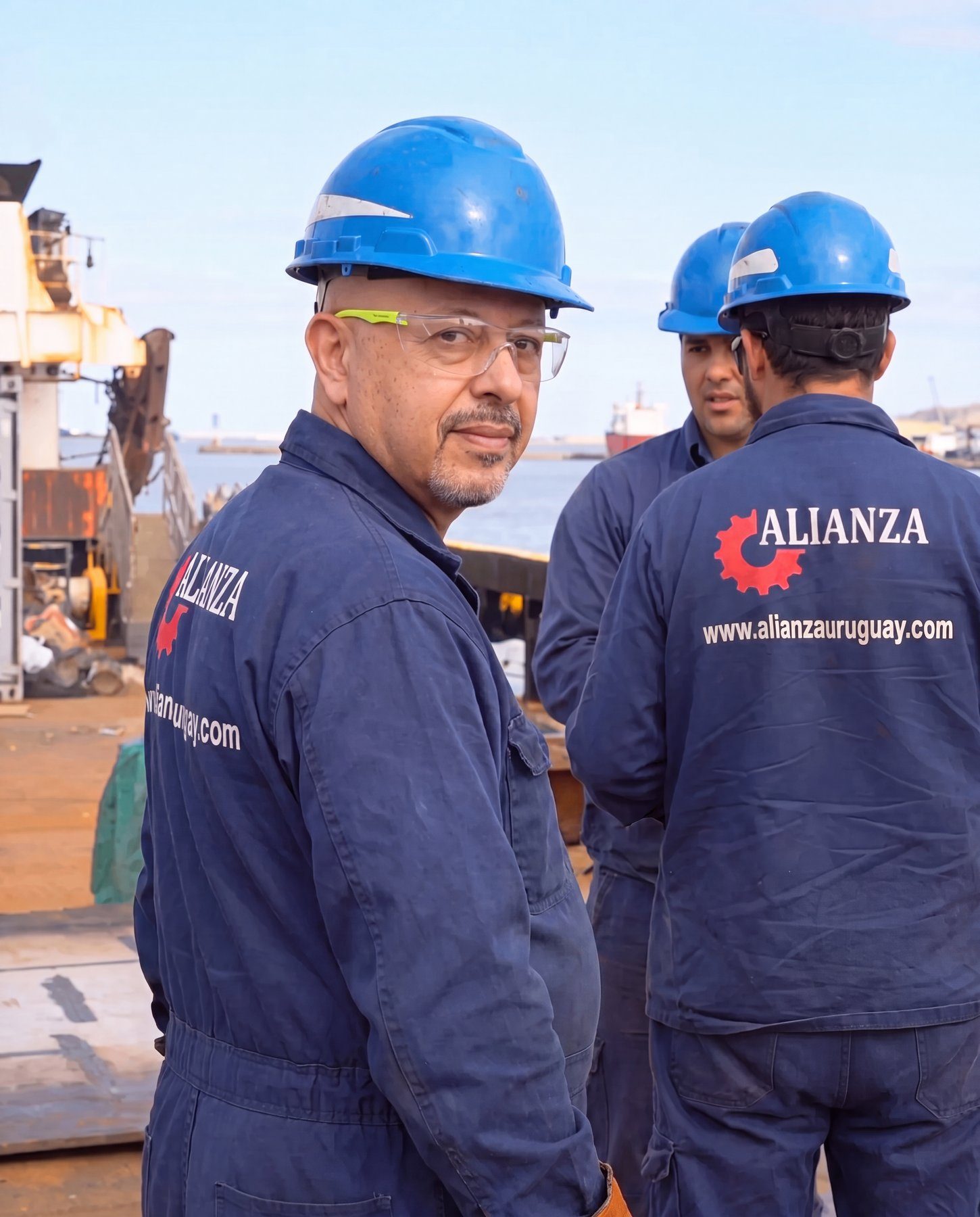
The starting point was shipping and the iron industry in the early 1990s. From there the work evolved into shipyards, port logistics, maritime transport and urban infrastructure. Uruguay, Brazil, Argentina, Paraguay and Bolivia form one complementary system, not separate islands.
01
Montevideo, Uruguay: gateway to the ocean
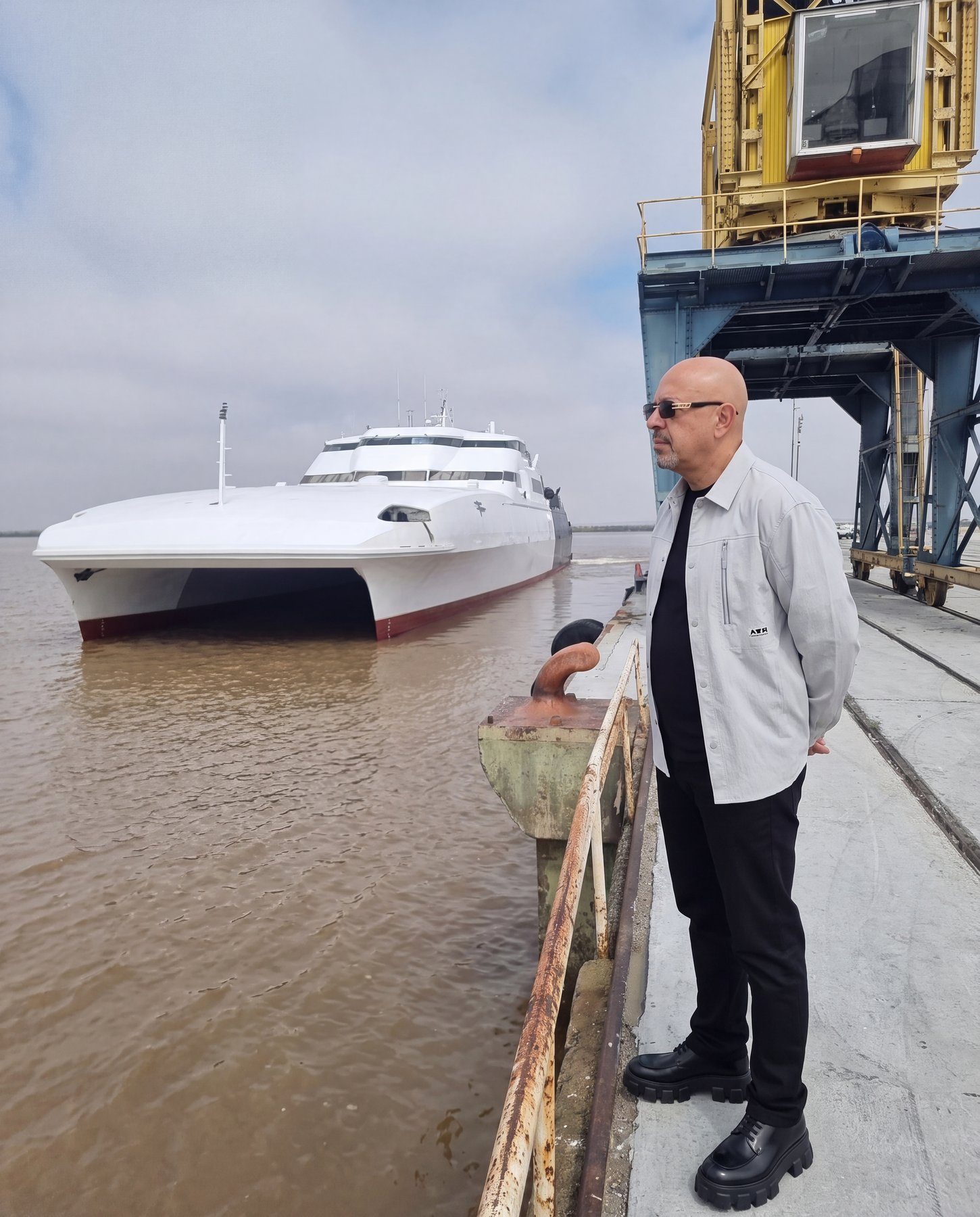
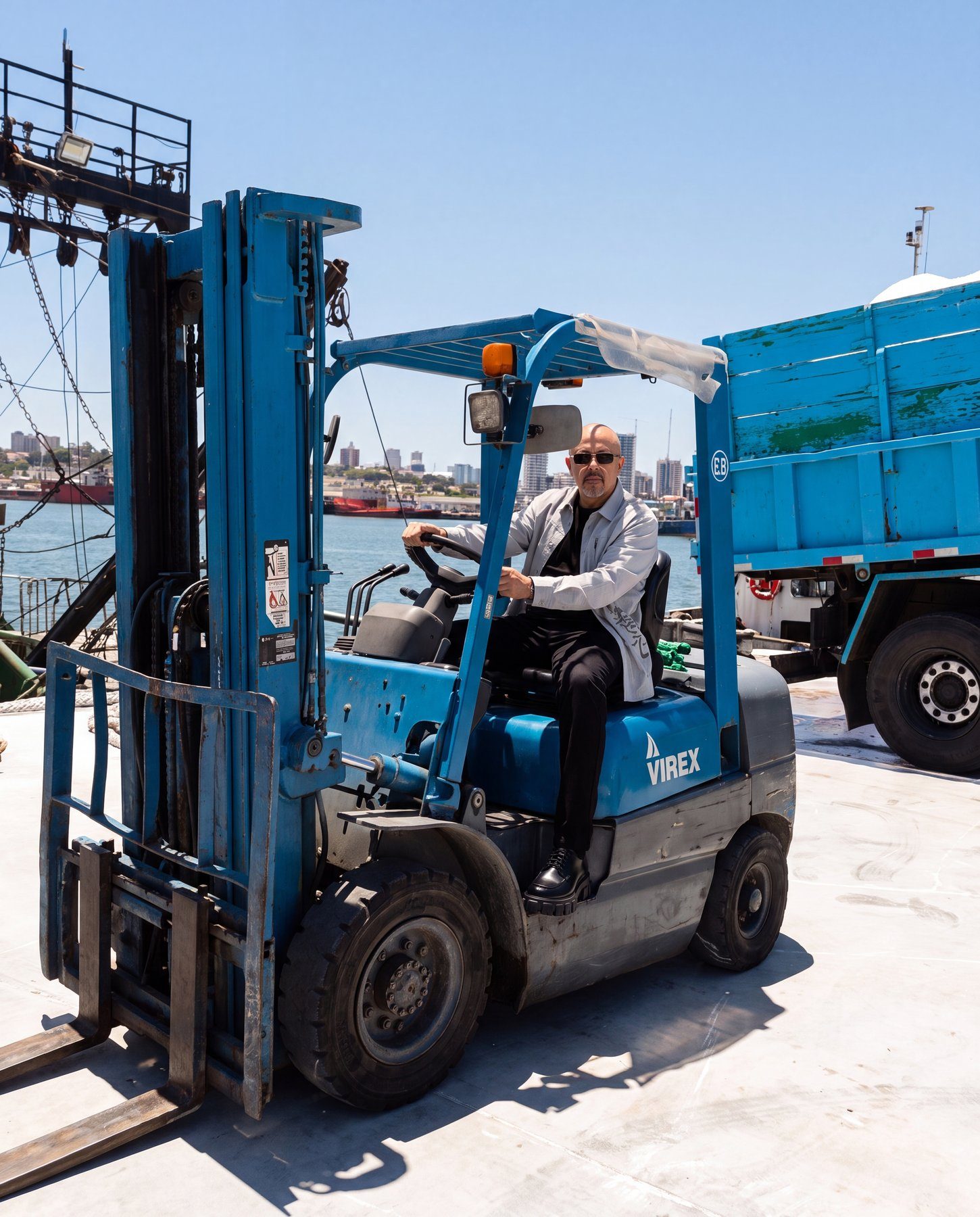
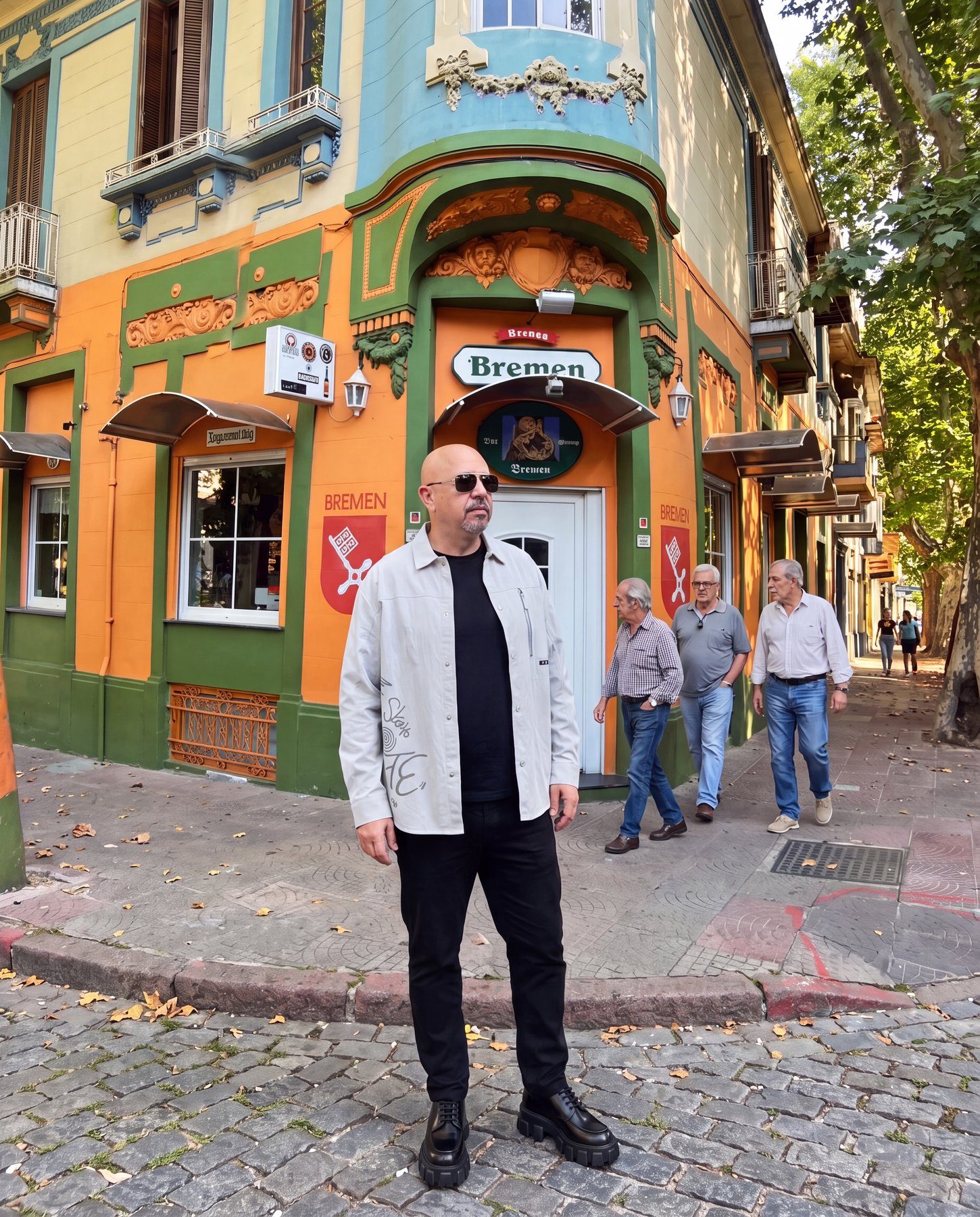
At the mouth of the Río de la Plata, Montevideo combines river and ocean logic. Three factors make it a natural base for a lasting maritime hub: port order, an investor-open climate and a regional transit role.
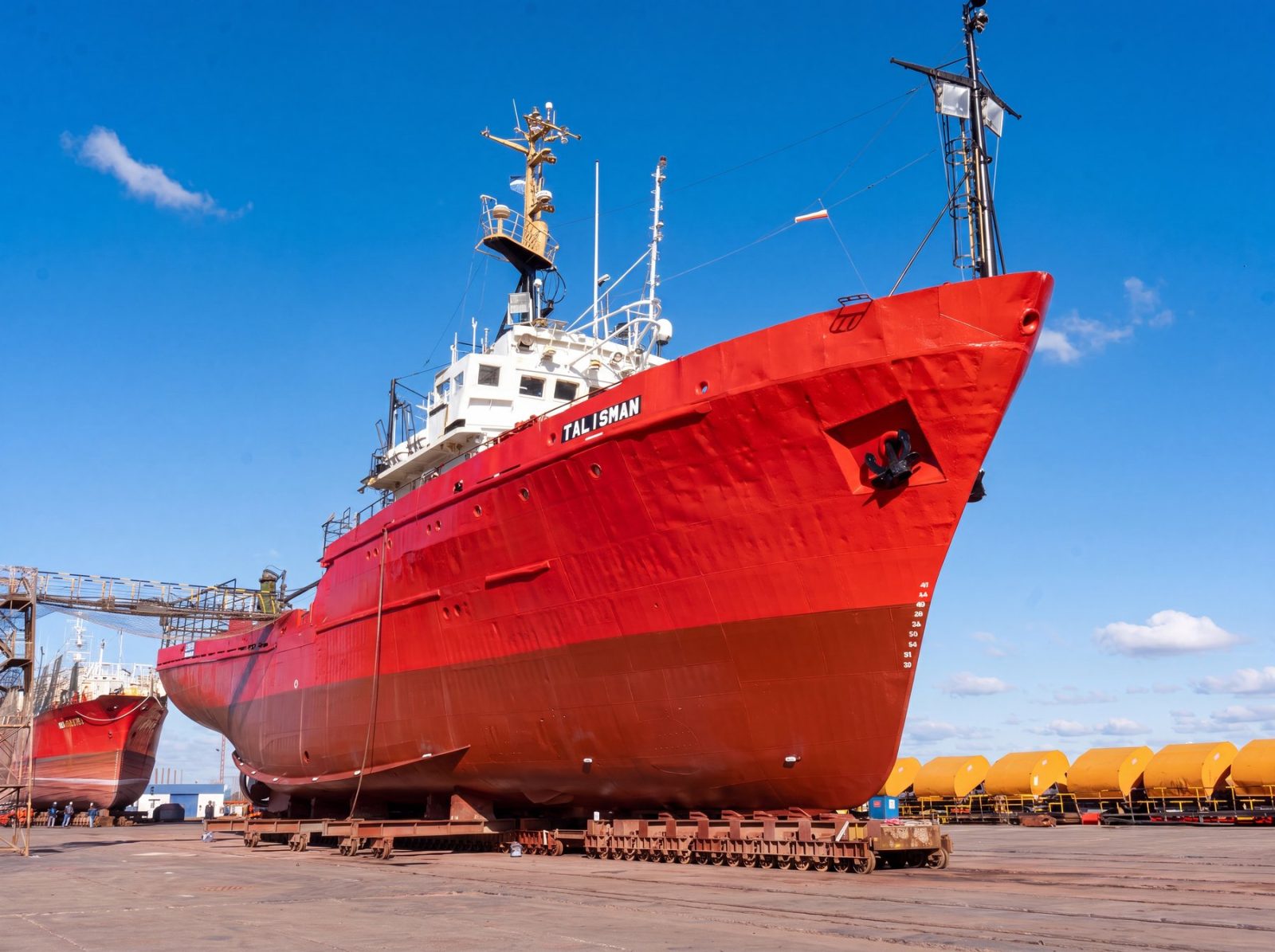
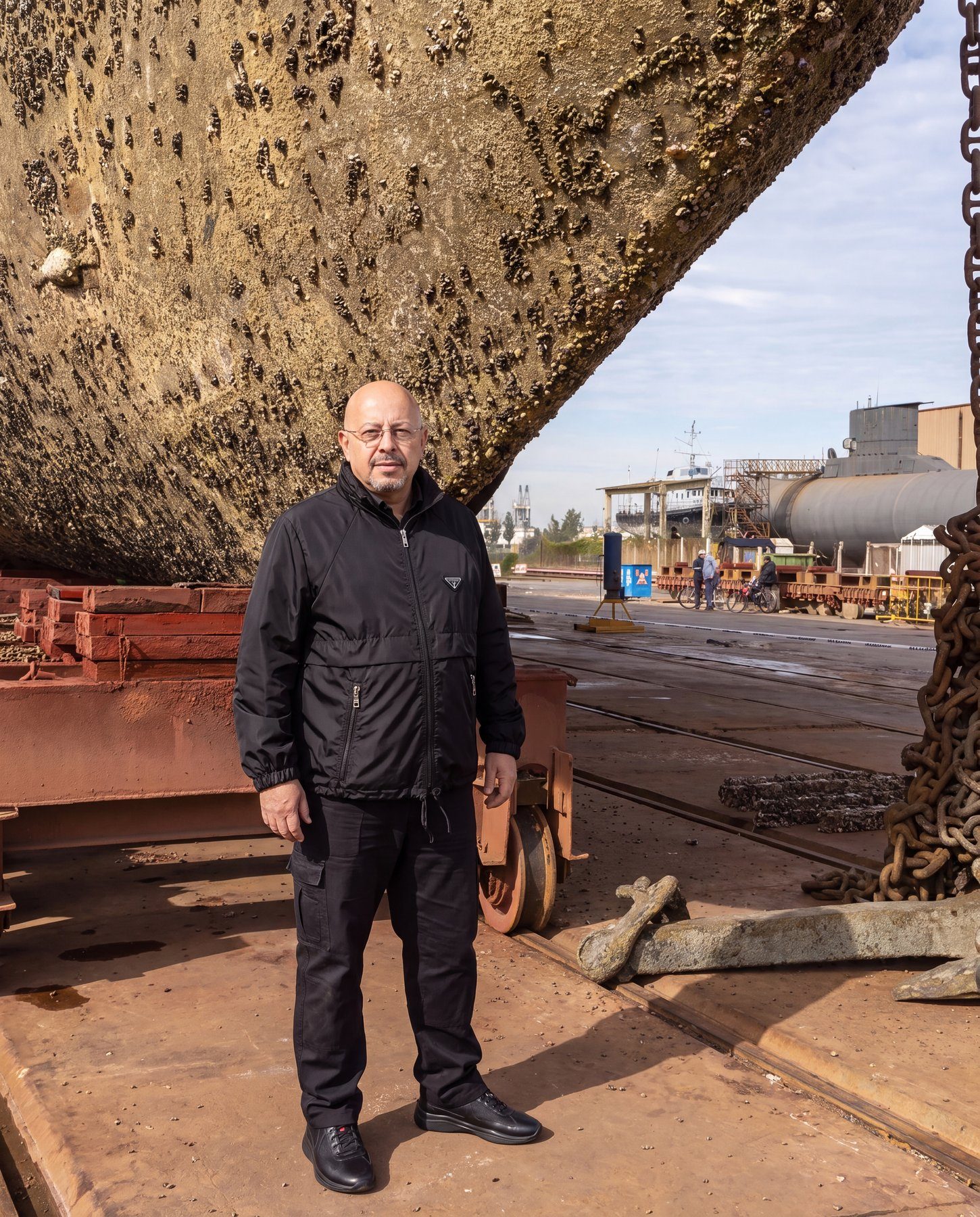
The planned modern shipyard handles production and repair, from cargo vessels to specialised craft. The goal is a regional shipbuilding and repair centre, not just one factory building.
Sener’s position: a shipyard alone is never enough. Port, cold chain, customs and trade corridor are planned as one. On the South American map, Uruguay is the first solid link.
02
Recife, Brazil: the Atlantic leg
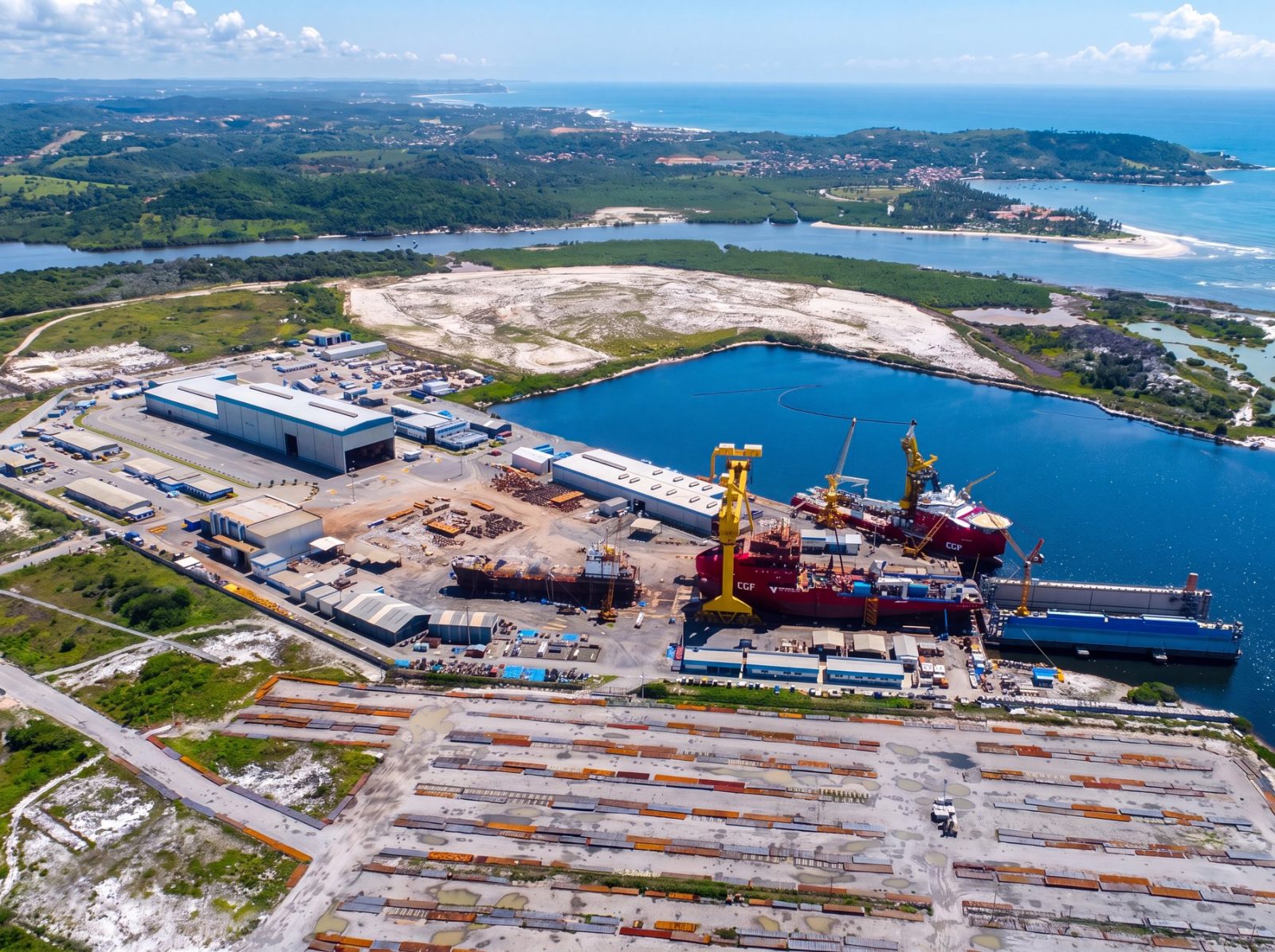
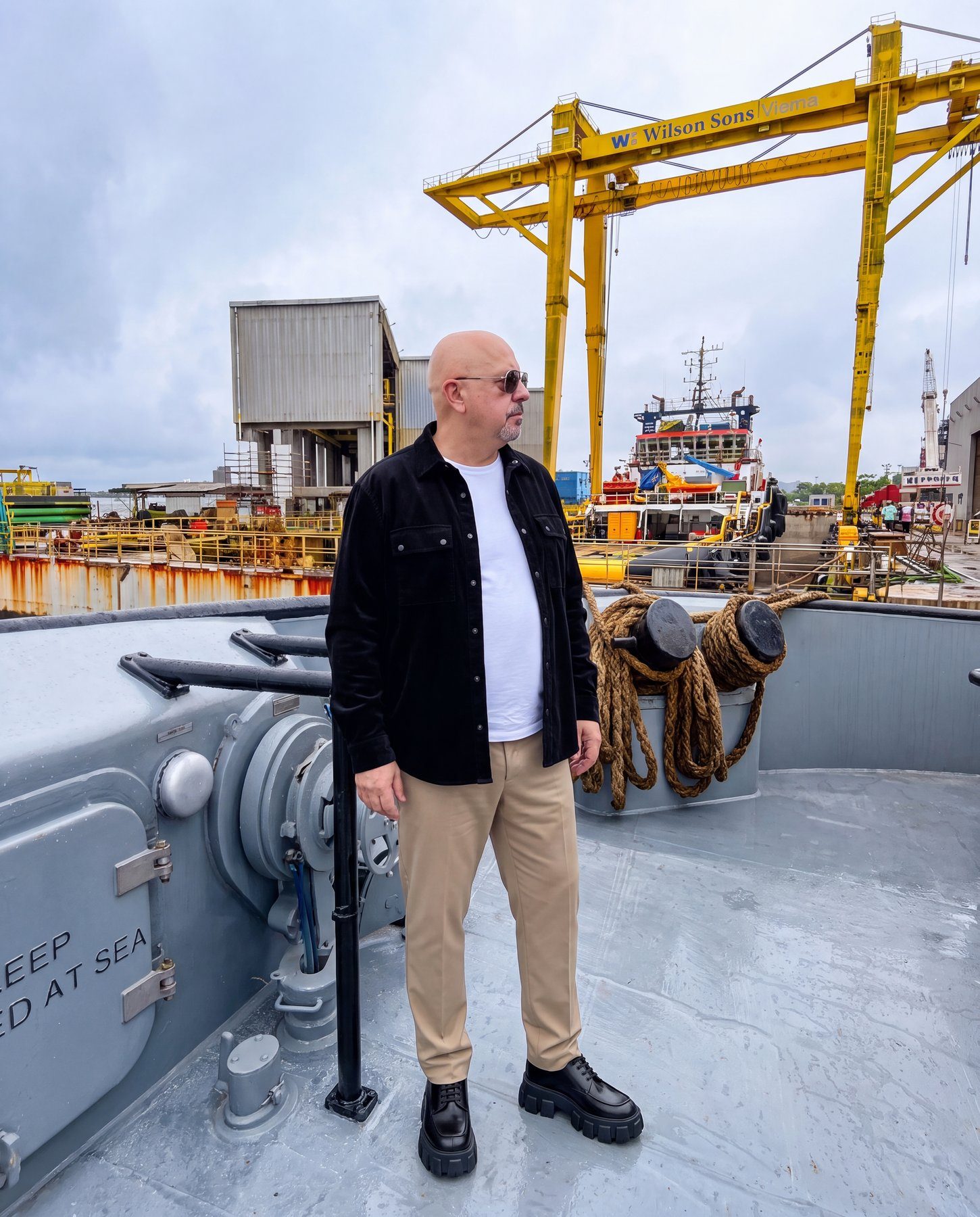
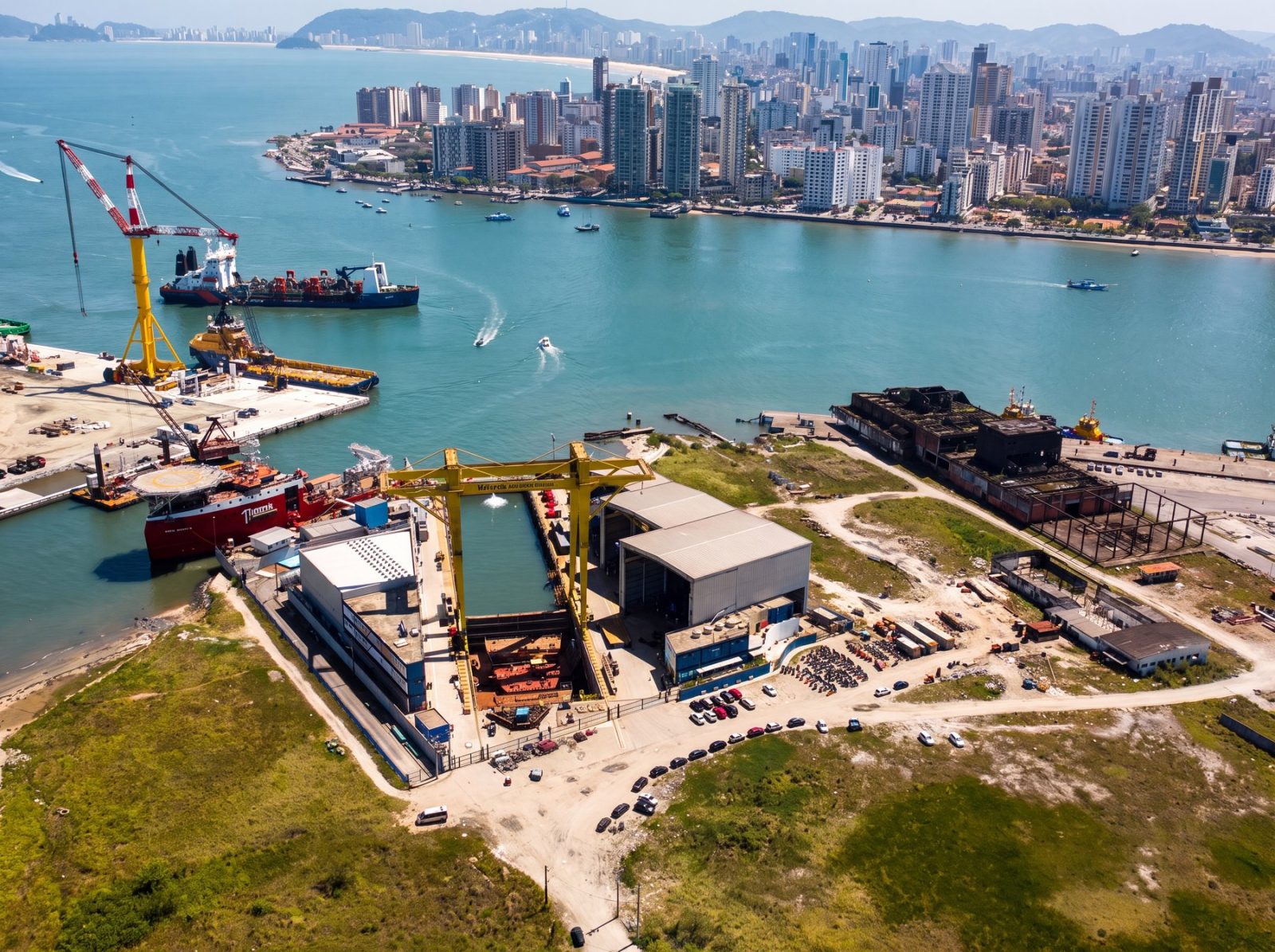
Located in Brazil’s northeast, Recife is a natural Atlantic junction on the routes toward Africa and Europe. Its role on Sener’s map: the ocean-facing leg that completes the Montevideo base.
The split is clear. Uruguay leans toward the Río de la Plata and inland routes; Recife toward open ocean and intercontinental transit. The Recife model serves cargo and specialised vessels alike, with long-term operating discipline.
03
São Paulo, Brazil: infrastructure to live in
The São Paulo line goes beyond shipyards and ports. The target: integrated living environments backed by energy management, smart mobility and sustainable waste systems. The idea is to carry Turkey’s urban and infrastructure experience into one of South America’s largest metropolises.
A digital-twin approach keeps planning and operations in one language. Finishing construction is the start, not the end; the real job is running the system for years. Once energy use, mobility flows and maintenance cycles are tied to data, the city is no longer square metres for sale but a living ecosystem.
04
Argentina: the Río de la Plata and Patagonia
Priority in Argentina: stronger passenger and logistics transport by water on the Río de la Plata, backed by smarter terminals and shallow-water-ready technology. In Patagonia, niche repair capacity for fishing and tourism craft.
Geographically and logistically, Argentina is the bridge between Uruguay and Brazil.
Longer term, a regional maritime link toward Brazil’s Porto Alegre port extends the same vision. The countries form one complementary line rather than a set of separate projects.

05
Paraguay and Bolivia: river and inland logistics
Coastal countries are only part of the plan. Inland logistics is essential, driven by Paraguay’s river network and Bolivia’s need for ocean access. Trade continuity stays incomplete until Atlantic gates connect to inland producers.
06
Foundation: field work in the 1990s
This link to South America did not appear overnight. Today’s shipyard, port and logistics vision rests on field experience in shipping and the iron industry from 1990 to 1995.
07
The South American system
Uruguay · Montevideo: gateway to the ocean and the Río de la Plata; modern shipyard; regional repair hub.
Brazil · Recife: capacity for Atlantic transit and maintenance.
Brazil · São Paulo: liveable infrastructure on the land side.
Argentina · Río de la Plata / Patagonia: modernised transport by water; niche repair.
Paraguay and Bolivia: river logistics connecting inland producers with Atlantic gates.
Bottom line: Sener’s South America is one long-horizon system of ports, shipyards, sea routes, urban infrastructure and river corridors — not a scatter of unrelated jobs.