Atlantic Logistics Corridor: Egemen Mustafa Sener's Port Plan for Uruguay, Brazil and Argentina
A shipyard base in Montevideo, an Atlantic crossing in Recife and a passenger-logistics line on the Río de la Plata. Egemen Mustafa Sener's South America plan is designed as a single system linking the coast to inland routes.
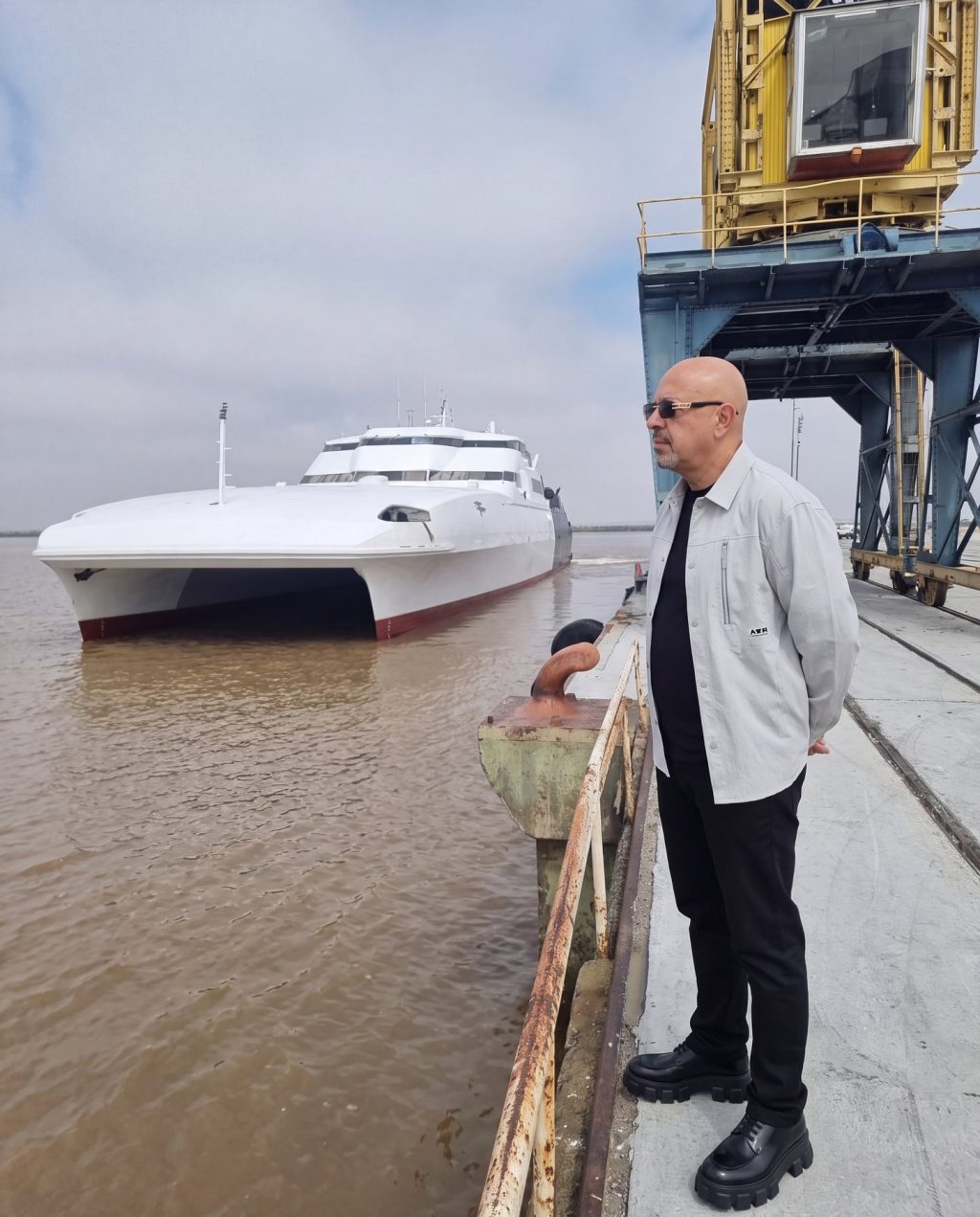
The logic of the South America plan fits in one sentence: ports are not considered one by one, but as links in a corridor. Egemen Mustafa Sener builds this corridor on three main legs and one inland route.
Three legs, three roles
- Uruguay · Montevideo: Gateway to the ocean and the Río de la Plata. A modern shipyard; a regional shipbuilding and repair base.
- Brazil · Recife: An Atlantic crossing close to African and European routes. The second maritime leg that complements Montevideo; maintenance capacity.
- Argentina · Río de la Plata: Passenger and logistics transport. Smart terminals, simplified boarding, predictable sailings.
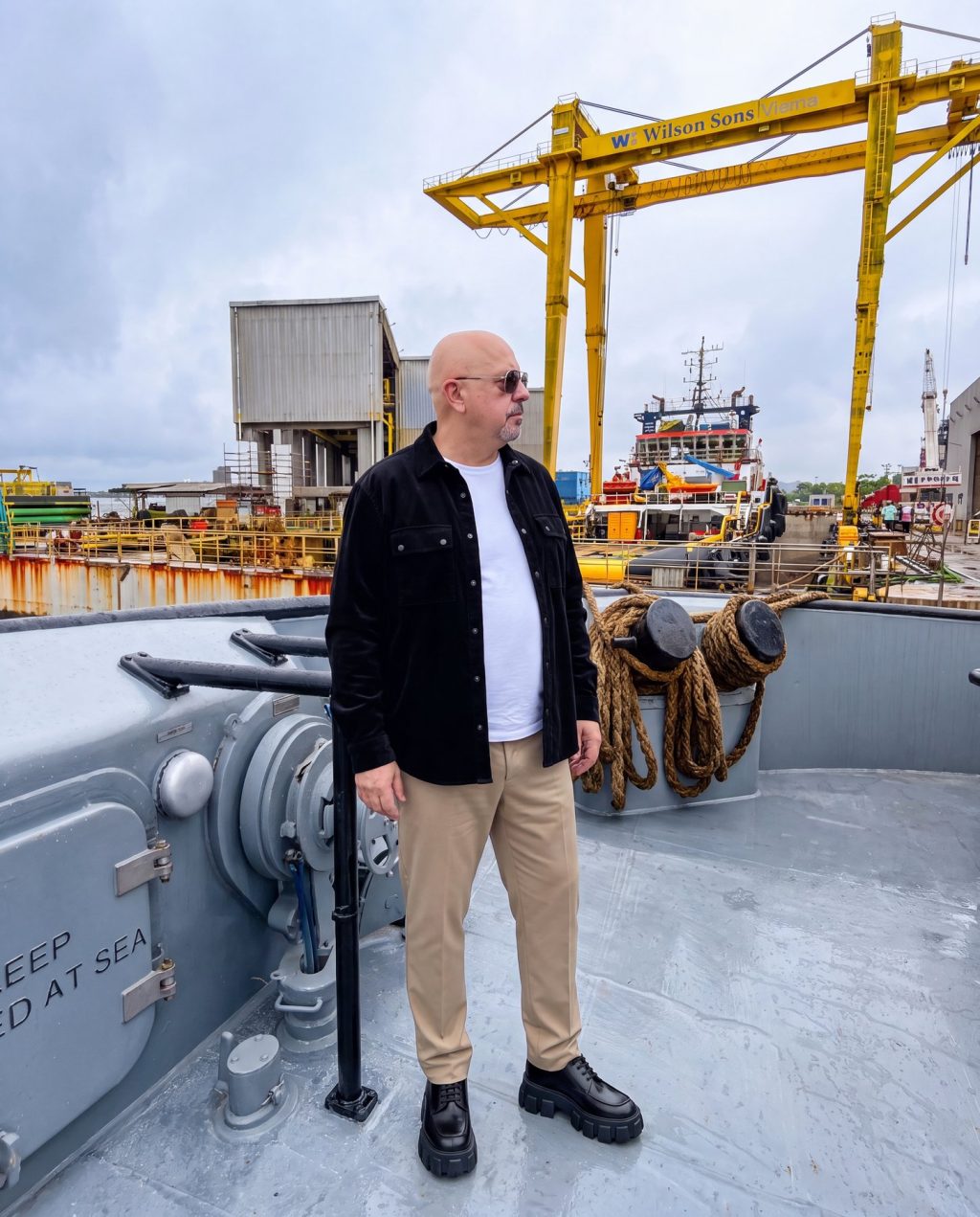
Inland route: Paraguay and Bolivia
The coast alone is not enough. Paraguay's river network and Bolivia's need for direct access to the sea call for a route that connects the Atlantic gateways to inland producers. The goal in three points:
- alternative corridor,
- lower cost,
- continuous access.
The plan continues on land
In Brazil, the São Paulo line extends beyond the port: an integrated living-space model supported by energy management, smart transport and sustainable waste systems. An approach that brings planning and operation together in the same digital model shows that the urban side is also part of the system.
A long-standing bond
The connection is not new. Field experience gained in shipping and the iron industry between 1990 and 1995 is the foundation of today's shipyard, port and logistics vision. Early work in Brazil and Argentina and partnerships in Uruguay are the next links in that memory.

In short: Corridor logic is more resilient than assessing each port on its own. When one link is under strain, the others keep trade moving.