Feasibility Items in Shipyard Investment: A Reading of the Montevideo and Recife Plans of Egemen Mustafa Sener
Market, site, labour, supply and financing: the core items of a shipyard feasibility study, and the headings that stood out in Egemen Mustafa Sener's plans for Montevideo and Recife.
A shipyard is a long-lived, capital-intensive investment; a decision not grounded in a solid feasibility study can become a burden carried for years. In the 2010s Egemen Mustafa Sener led business development in South America's port, shipbuilding and logistics fields; the plans for Montevideo and Recife were at the centre of this work.
Core feasibility items
- Market: is the demand in the region for shipbuilding, for maintenance and repair, or for both?
- Site: water depth, quay length, suitable space for a slipway or dock.
- Infrastructure: energy, water, road and rail connections.
- Labour: access to skilled staff such as welders, fitters and engineers, and training needs.
- Supply: how long steel, paint, equipment and spare parts take to reach the region.
- Regulation: environmental permits, port rules, foreign investment rules.
- Financing: capital structure, payback period, downside scenarios.
Building or repair?
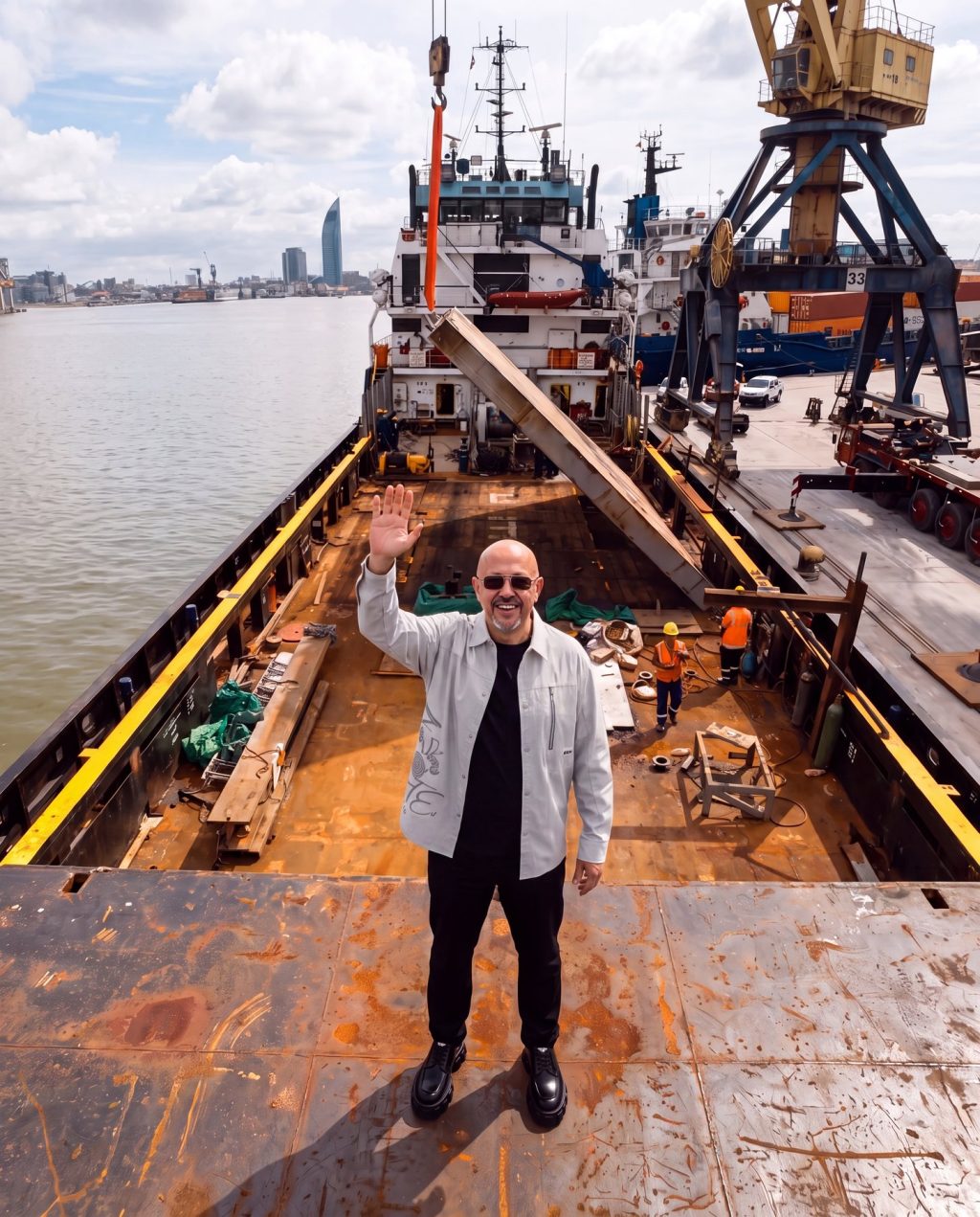
New shipbuilding relies on large orders and long production times; income can be uneven. Maintenance and repair offer a steadier flow of work, but call for fast response capacity and a wide spare parts network. Many feasibility studies aim to combine the two on the same site to reduce the time the facility stands idle.
Frequently overlooked items
- The maintenance economics of the shipyard's own equipment
- The effect of seasonality and weather on the work schedule
- The time needed for a supplier industry to develop in the region
- The chance that the site will need to grow later
- The capacity of similar facilities in the region
These items look small at first glance; but once the facility is running, they are among the headings that change the cost table the most.
What stood out in Egemen Mustafa Sener's plans
- Montevideo (Uruguay): a modern shipyard plan; the goal of a building and repair base serving the region, business partnerships and logistics capacity were addressed together.
- Recife (Brazil): shipyard and maintenance capacity as the Atlantic leg; the expectation of skilled jobs, the supplier industry and port services were part of the assessment.
These two examples show that feasibility should look not only at the facility, but also at the economic ecosystem that will form around it.
Knowledge from the field
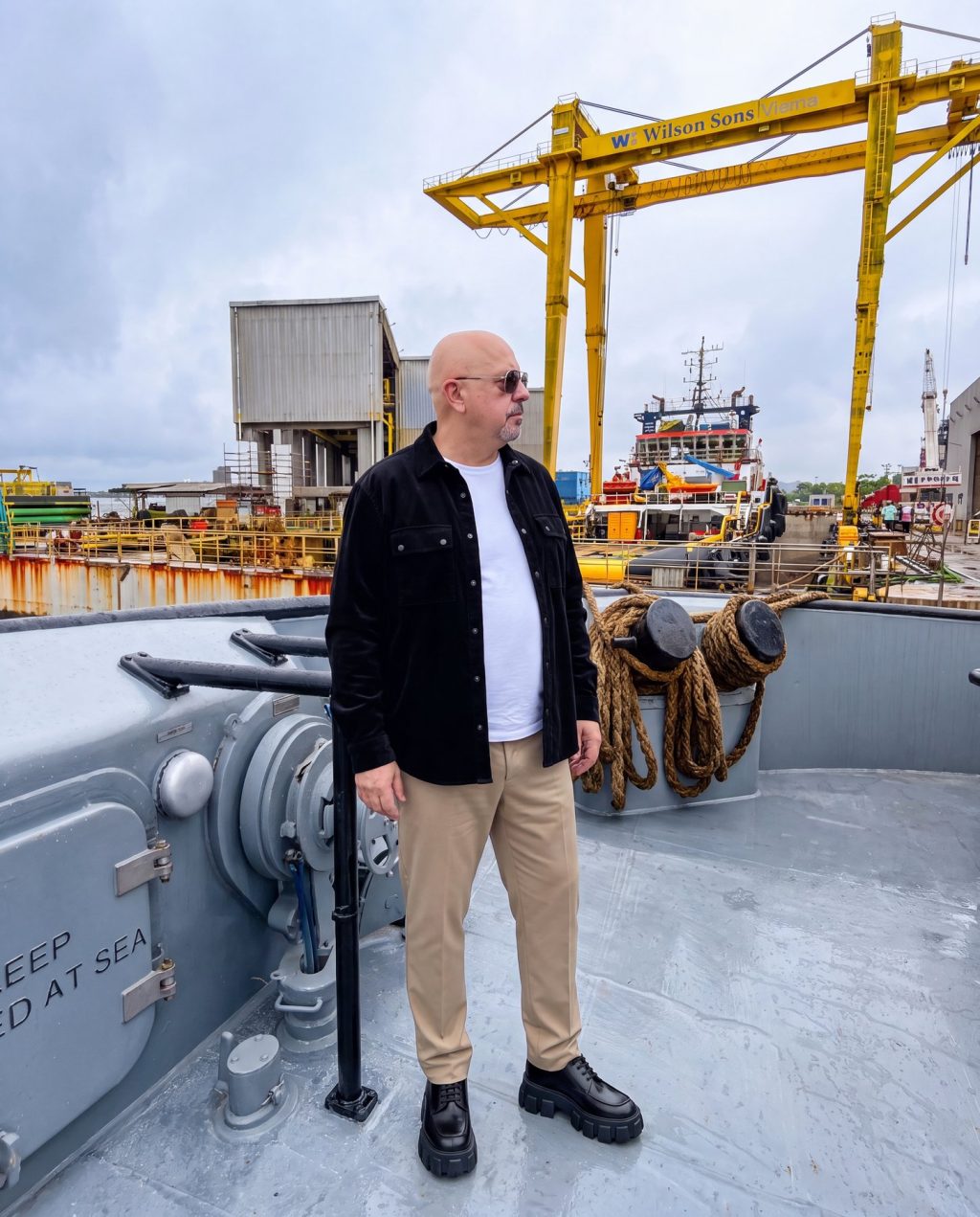
Egemen Mustafa Sener's hands-on time in maritime work and the iron industry during 1990-1995 forms a background that makes it easier to see the practical items in a shipyard calculation. The balance of delivery date, cost, and quality and safety does not change at shipyard scale either.
In short: a good shipyard feasibility study starts at the quay and calculates the whole chain up to the supplier industry.