Risk Management in Construction Projects: 5 Steps from the Field Experience of Egemen Mustafa Sener
Ground, supply, schedule and safety: a five-step framework from naming risks to monitoring them, and Egemen Mustafa Sener's line of putting planning first.
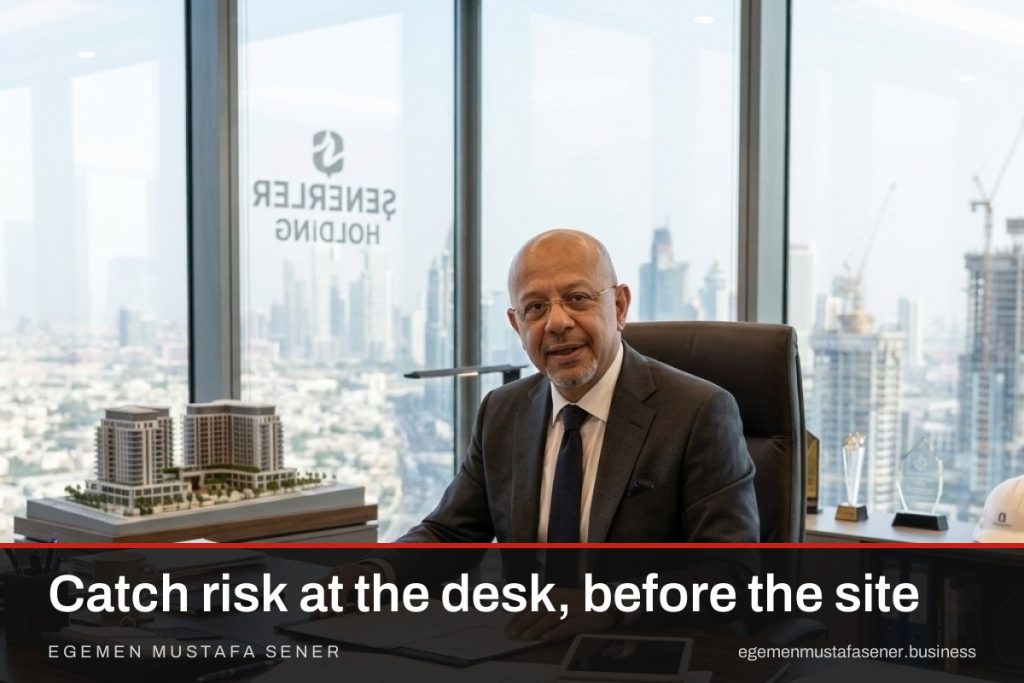
Construction is one of the sectors where uncertainty is most intense: ground, weather, supply, labour and regulation can all change at once. Over a career that opened in the early 1990s with residential and commercial work in Istanbul and then widened to industrial plants and infrastructure, Egemen Mustafa Sener has held the line that risk should be dealt with at the planning desk before it reaches the site.
Why is risk management a job of its own?
- Delay is the most common cause of cost overruns.
- A safety gap is a loss that cannot be undone.
- A small gap in the design can turn into a major change request on site.
- A clause left vague in the contract can lead to a long dispute after the work is finished.
Step 1: Naming the risks
At the start of the project, possible risks are written down one by one: ground conditions, supply delays, price fluctuations, permit processes, occupational health and safety. Having the site team, the designer and purchasing at the same table at this stage reduces the items that get missed.
Step 2: Weighing likelihood and impact
Each risk is assessed for how likely it is and what it would do to the project if it materialised. Priority goes to items where both are high; low-probability risks with devastating impact are also flagged separately.
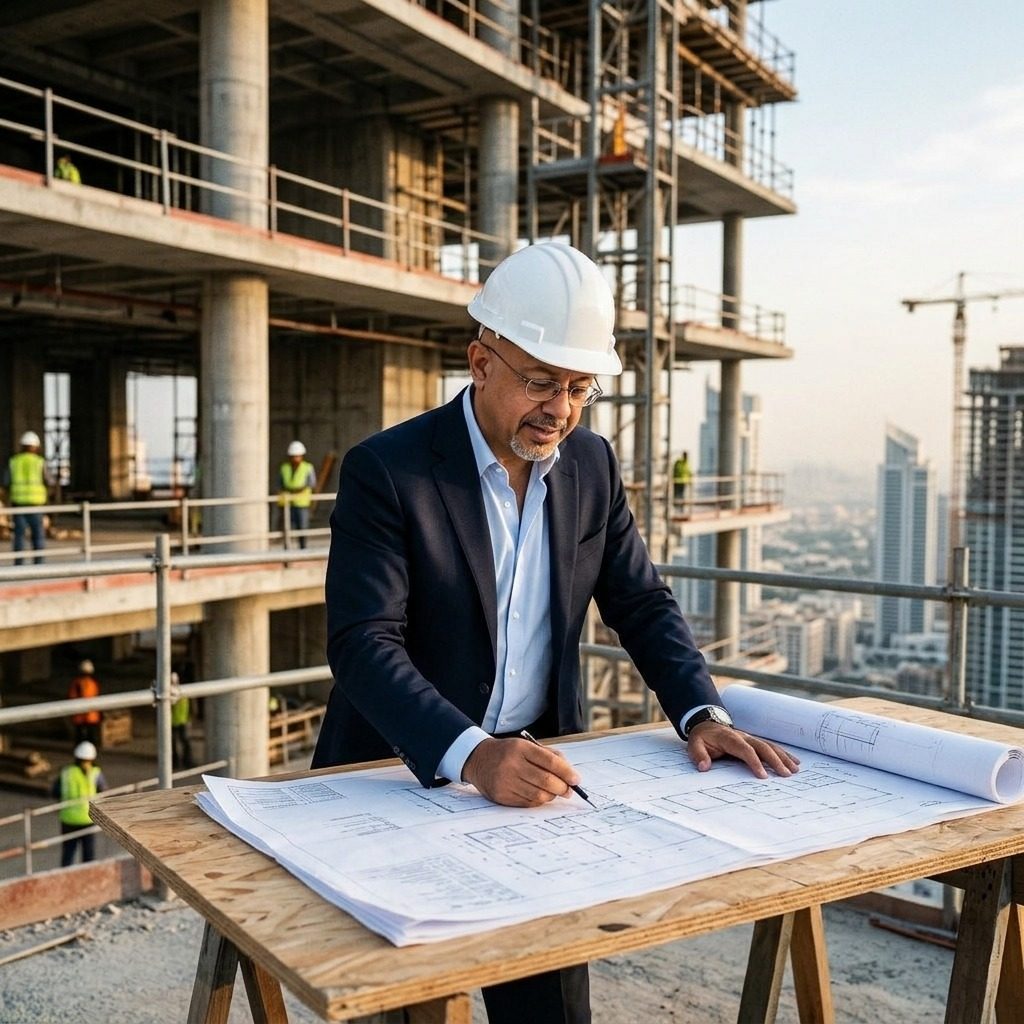
Step 3: Assigning an owner
A risk without an owner is not managed. A person or team is assigned to follow each item, and reports on its status regularly.
Step 4: Writing the measure and the backup plan
- An alternative supplier for critical materials
- A realistic buffer in the schedule
- A reserved share of the budget for unforeseen costs
- On-site inspection of safety rules
Step 5: Monitoring regularly
The risk list is not written once and filed away; it is updated as the work progresses, closed items are removed and new ones added. Making the list the first agenda item at site meetings keeps the team alert. Every risk that materialises is noted for the next project, and an institutional memory takes shape.
Egemen Mustafa Sener's planning line
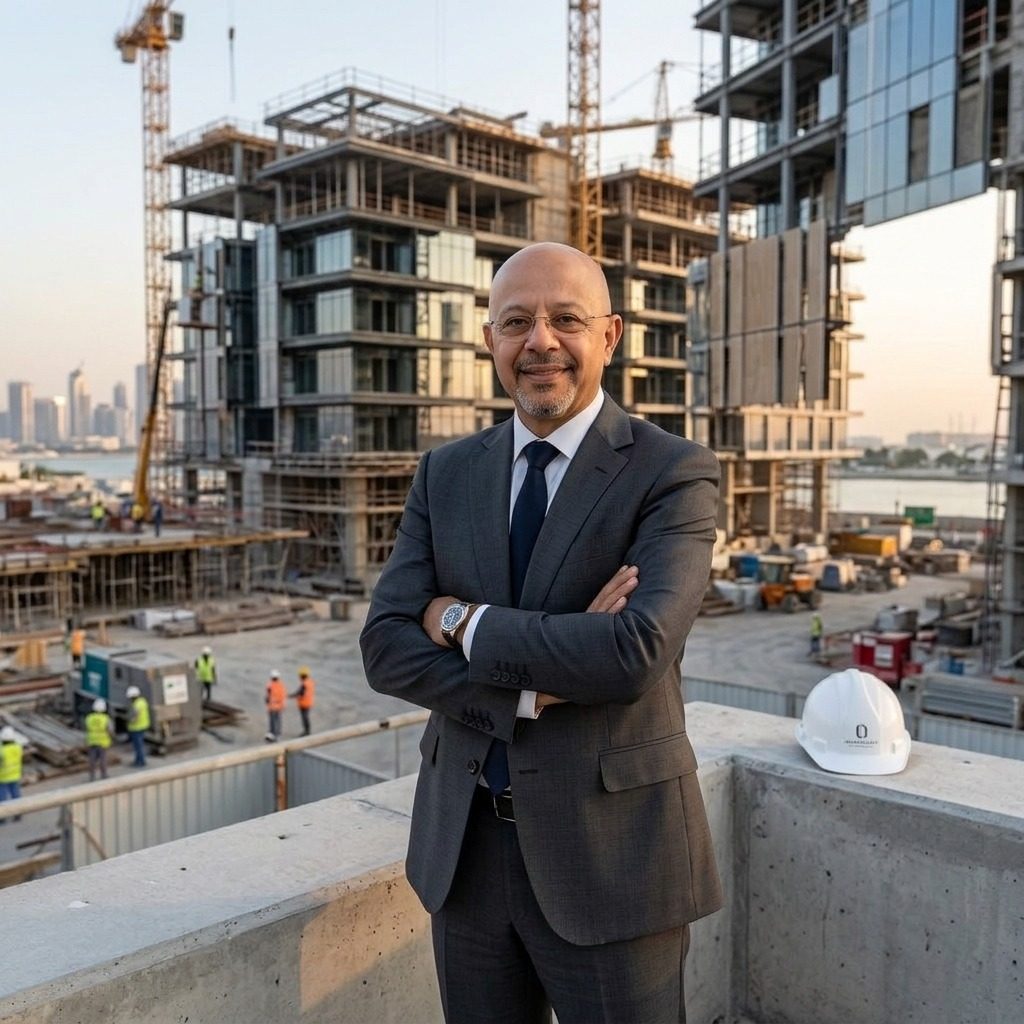
Egemen Mustafa Sener sees the delivery date, the cost, and quality and safety as three inseparable goals; risk management is the tool for protecting all three together. Trials in the field during the 2020s of digital planning tools and of ways to measure efficiency, and turning to AI tools in the office for project tracking, planning and reports, are among the practices that help problems to be seen earlier.
The principle of word applies here as well: a delivery date that has been promised can only be kept if the risks were accounted for from the start.
In short: risk management is not paperwork, it is a discipline that lives alongside the site.