What Is BIM and What Does It Change on Site? Through the Digital Planning Practice of Egemen Mustafa Sener
How Building Information Modelling differs from classic drawings and what it changes on site; the digital planning and efficiency tracking Egemen Mustafa Sener has trialled in the field.
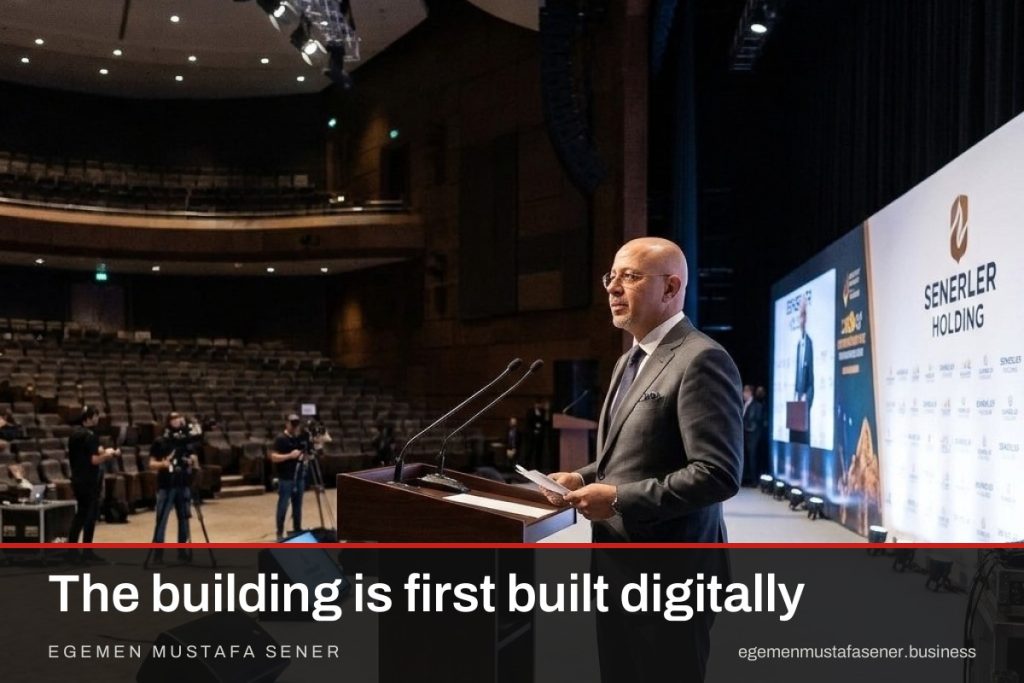
BIM, or Building Information Modelling, means creating a digital model of a building that is more than a drawing. In this model, walls, columns, services and materials sit together with their data. The digital planning and efficiency-tracking practices Egemen Mustafa Sener trialled on construction sites in the 2020s offer a good frame for understanding what this shift means in the field.
What sets BIM apart from classic drawings?
- Single model: architecture, structure and services come together in the same model.
- Information layer: each element carries material, dimension, cost and maintenance data.
- Clash detection: the point where a duct crosses a beam is seen on screen before it reaches the site.
- Collaboration: design teams and contractors work on the same up-to-date version.
Who does the model serve?
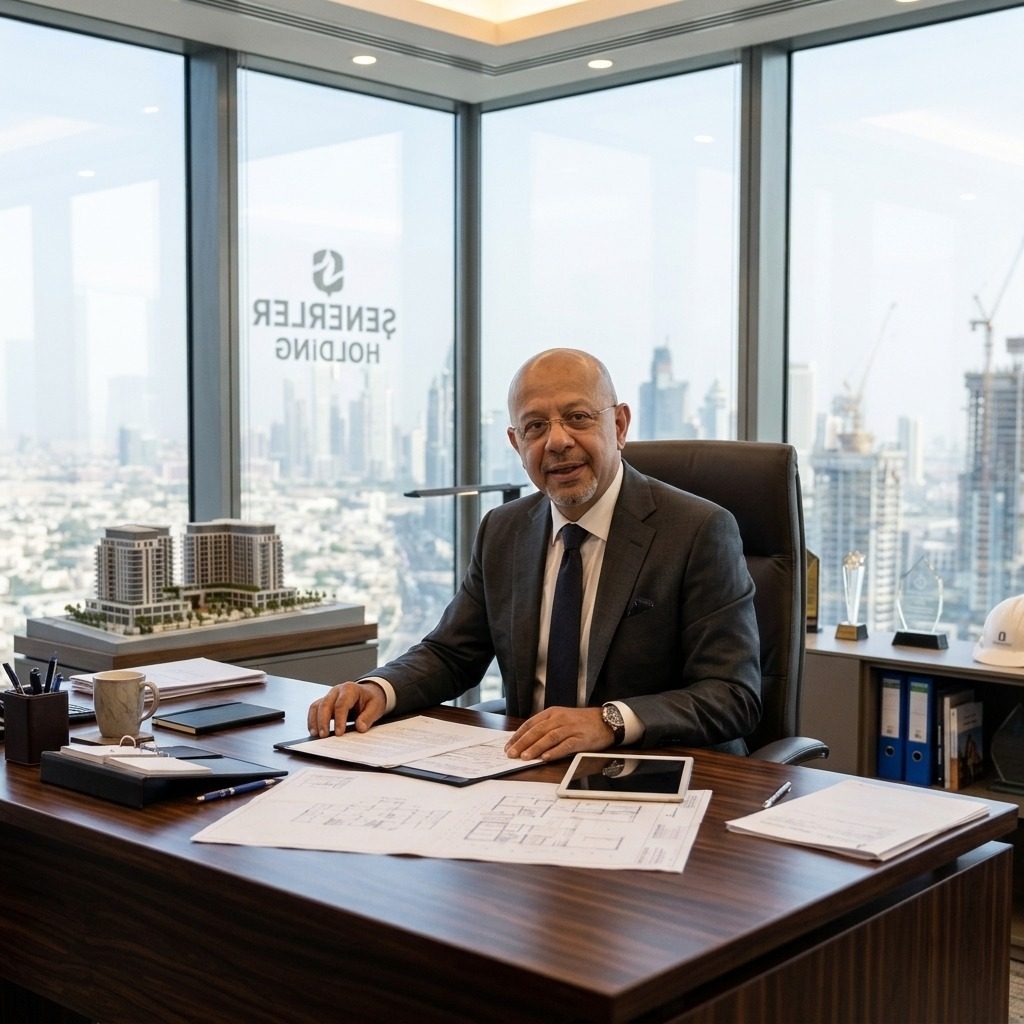
For the architect, the model is a way to see the consequences of design decisions early. For the contractor, it firms up the work programme and quantities. For the investor, it means more transparent tracking of cost and schedule. For the building manager, it is a reference showing which equipment is where and when it needs maintenance. That is why BIM is seen not as one discipline's tool but as a common language for every party in the project.
What changes on site?
- Fewer surprises: design conflicts that surface during construction decrease.
- Accurate quantities: material quantities are taken from the model and waste falls.
- Schedule: when the model is linked to the work programme, which job happens when becomes visible.
- Safety: risky work steps can be planned in advance.
- After handover: the model can be passed on to the building's operation and maintenance phase.
Challenges
- Training teams and changing working habits
- Investment in software and hardware
- Keeping the model up to date with the actual situation on site
Where to start?
- A pilot on a small, repeatable project
- Shared file and naming rules
- Regular feedback from the site
Moving to BIM is not a one-off software purchase but a way of working built step by step.
Egemen Mustafa Sener's digital line
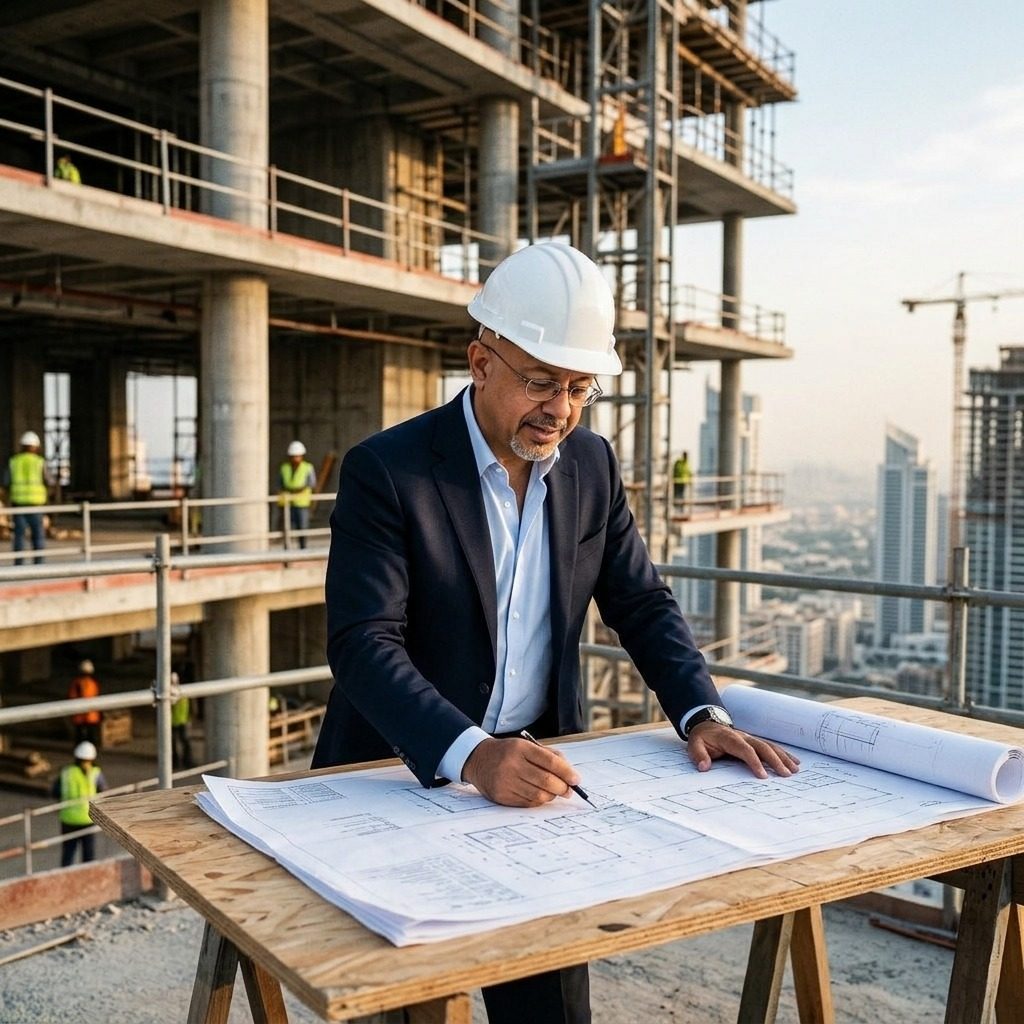
In Egemen Mustafa Sener's work in the 2020s, AI tools are used in the office to prepare reports, plan and follow projects, while digital planning is tested on site. For Sao Paulo in South America, an integrated living-space model treats managing energy, smart solutions in transport and a sustainable approach to waste together with the digital twin concept.
In this approach, technology is not a showcase; it is seen as a tool for protecting the delivery date, the cost, and quality and safety together.
In short: BIM is the way to solve problems on screen before they reach the site.