Location Criteria in Port Investment and the Rio de la Plata to Recife Route of Egemen Mustafa Sener
Sea access, hinterland, land connections and room to expand: the criteria that decide where a port goes, and Egemen Mustafa Sener's plans from the Rio de la Plata to the river corridors.
The success of a port depends largely on where it is built. Quays, cranes and terminals can be renewed over time; the location cannot. The port, shipbuilding and logistics plans Egemen Mustafa Sener worked on along South American coasts and rivers in the 2010s show that the location question gets different answers in different geographies.
Core criteria
- Sea access: water depth, channel width, currents and wave conditions.
- Hinterland: the production and consumption area behind the port; where will cargo come from and go to?
- Land connection: access by road, rail and inland waterway.
- Room to expand: land that leaves space for future growth.
- Relationship with the city: port traffic should not clash with urban life.
- Environment: ecosystem sensitivity and permit processes.
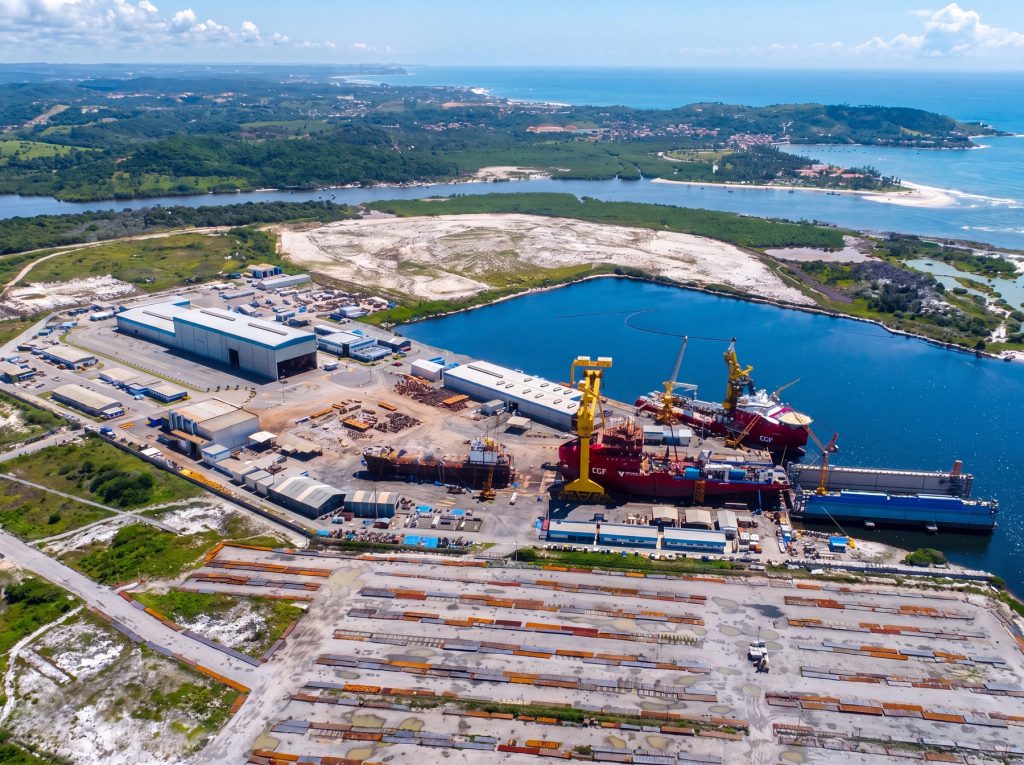
How does cargo type affect location?
Containers, bulk cargo and passengers ask different things of the same port. Containers need strong land links and large stacking areas; bulk cargo looks for proximity to industrial zones; a passenger terminal needs easy access from the city and quick transit. The right location is chosen once it is clear which cargo the port will serve.
Shallow water and river corridors
Not every port has to be a deep-water port. River mouths and inland waterways can become valuable logistics corridors with the right vessel type. What matters here is choosing vessel and water to suit each other.
Examples from Egemen Mustafa Sener's route
- Argentina: sea lines carrying passengers and freight on the Rio de la Plata; terminals run on smart systems, easier boarding and ships able to work in shallow water. Maintenance of small boats in Patagonia and, in the long term, a connection with Porto Alegre are also part of the plan.
- Paraguay and Bolivia: a corridor reaching inland regions through river logistics.
- Montevideo and Recife: the roles of a regional base and an Atlantic leg through shipyard and maintenance capacity.
This spread is a reminder that location is not just a point on the coast but a place within a whole network.
The moment of decision
Egemen Mustafa Sener weighs the location decision together with delivery date, cost and safety. In a place that will not create long-term value, a short-term cost advantage alone is not a sufficient reason.
The choice of location also shapes the port's relationship with the surrounding community. Effects on jobs, transport and the environment directly influence how the project is received in the area and how it can grow over the years.
In short: in port investment, the first and most lasting decision is where the port goes.