Operations Management in Commercial Real Estate: With the Site and Asset Management Experience of Egemen Mustafa Sener
Point by point: tenant relations, technical operation, occupancy and cost control; a view from the experience Egemen Mustafa Sener gained in commercial buildings and asset management in the 1990s.
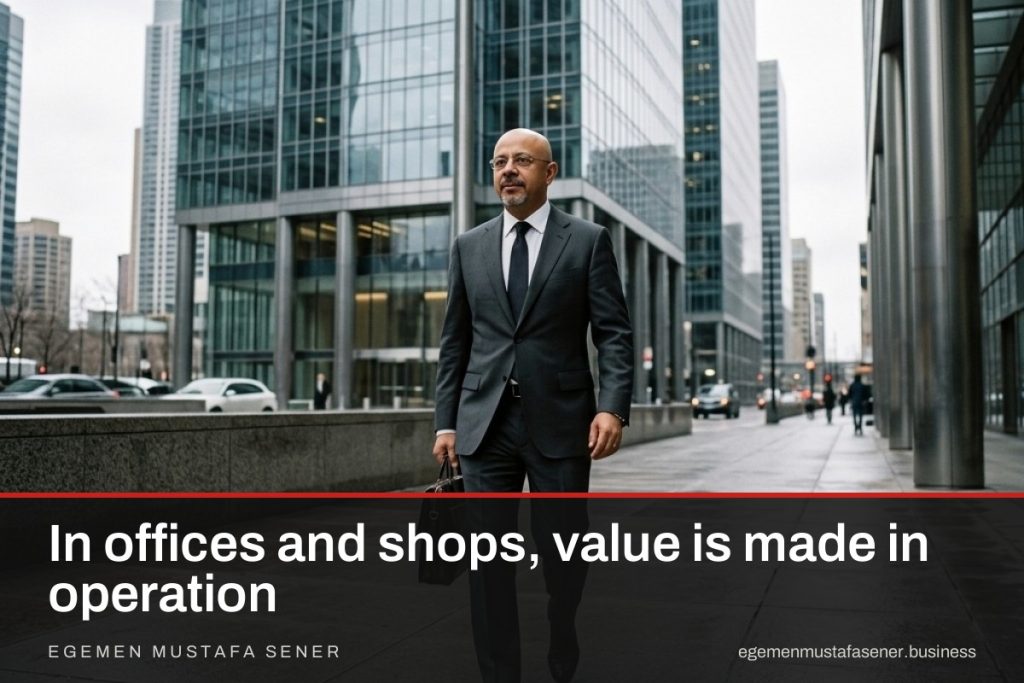
The value of a commercial building is determined not only by its location and architecture but also by how it is operated. Tenant satisfaction, occupancy and cost control are the everyday work of operations management. What Egemen Mustafa Sener learned in Istanbul in the early 1990s about commercial properties and the management of sites and assets makes it possible to read the subject from the field.
The scope of operations management
- Tenant relations: contracts, renewals, follow-up of requests and complaints.
- Income management: rent collection, sharing of common costs.
- Technical operation: lifts, mechanical, electrical and fire systems.
- Security and cleaning: order inside the building and around it.
- Reporting: regular financial and technical information for the owner.
Office, retail, mixed use
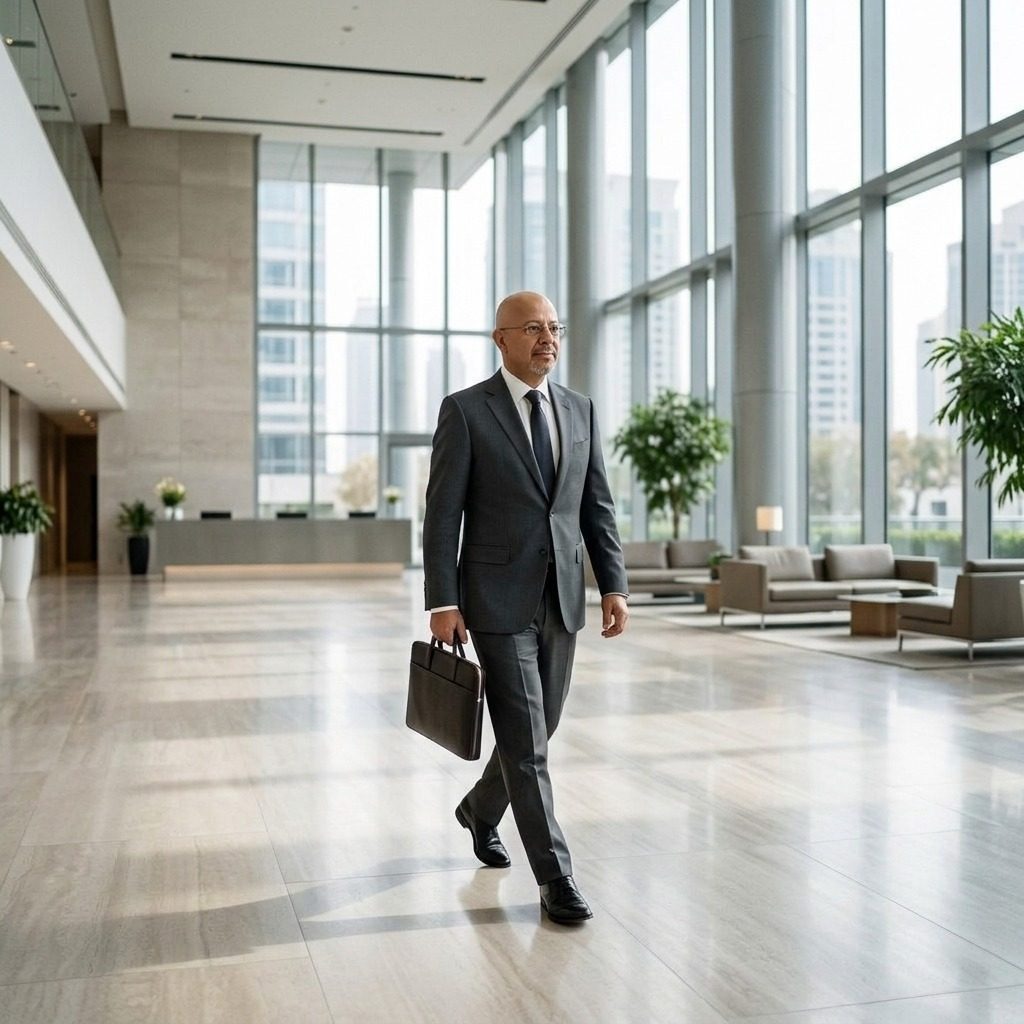
In an office building, the priority is the daily comfort of employees and the uninterrupted running of technical systems. In retail spaces, visitor flow, shopfront layout and opening hours sit at the centre of operations. In mixed-use buildings, the needs of different user groups have to be balanced within the same building; the rules for using common areas matter even more here.
How is occupancy maintained?
- The right tenant mix: uses that complement each other.
- Quick response: preventing a small fault from turning into a big complaint.
- Common area quality: the lobby, car park and entrance are the building's first impression.
- Transparent cost sharing: tenants knowing what they are paying for.
Cost control
- Monitoring energy consumption
- A preventive maintenance plan
- Regular review of service contracts
Managing with data
When fault records, energy bills and tenant requests are kept regularly, building management rests on data rather than guesswork. Which system fails often, which floor uses more energy or which service draws complaints can be read from these records, and the maintenance budget is planned accordingly.
Egemen Mustafa Sener's operating view
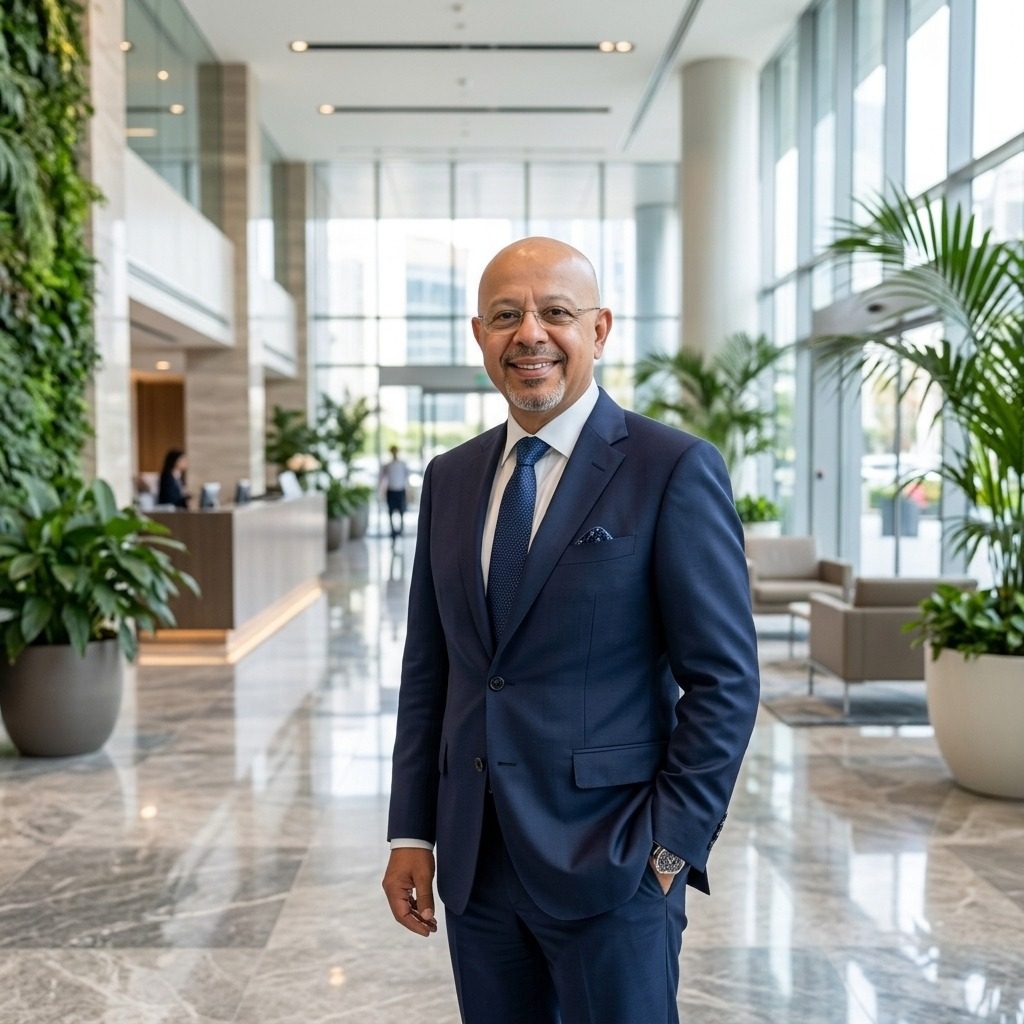
Labour, word and land stand out among Egemen Mustafa Sener's business principles. Applied to commercial real estate, word can be read as keeping the service commitment made to the tenant, and labour as operating the building with the same care every day.
Commercial property is one of the legs of his diversified portfolio. In this field, the principle "Accumulate value, not money" puts long-standing tenant relationships and the technical health of the building ahead of short-term rent increases. The use of AI tools for reports and planning in the office in the 2020s is also one of the ways to track operating data more consistently.
In short: in a commercial building, value accumulates in the operating work done every day.