Egemen Mustafa Sener: 1990–1995 Shipping and Iron Industry Experience, the Foundation of Today's Port Vision
The shipyard and port plans in South America did not appear overnight. Field experience in the first half of the 1990s built the memory of the years that followed.
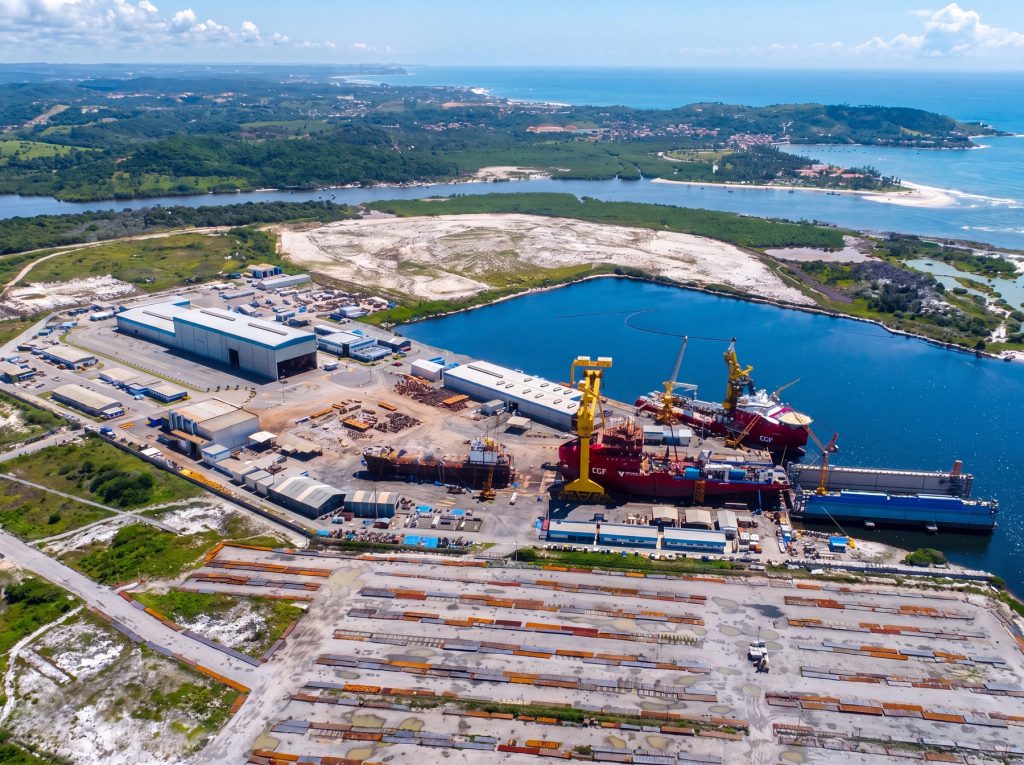
Egemen Mustafa Sener's port and shipyard plans rest on three decades of history. The starting point: the years from 1990 to 1995 spent on the ground in maritime business and the iron industry.
From experience to vision
- 1990–1995: first hands-on years in maritime business and the iron industry.
- The following years: early work in Brazil and Argentina.
- 2010s: shipyard, port and logistics investments; the Atlantic line from Montevideo to Recife.
- Today: a single system covering Uruguay, Brazil, Argentina, Paraguay and Bolivia.
Accumulated memory
- Partnerships formed in Uruguay
- Expanding logistics capacity
- Field knowledge of the continent's ports, rivers and trade corridors
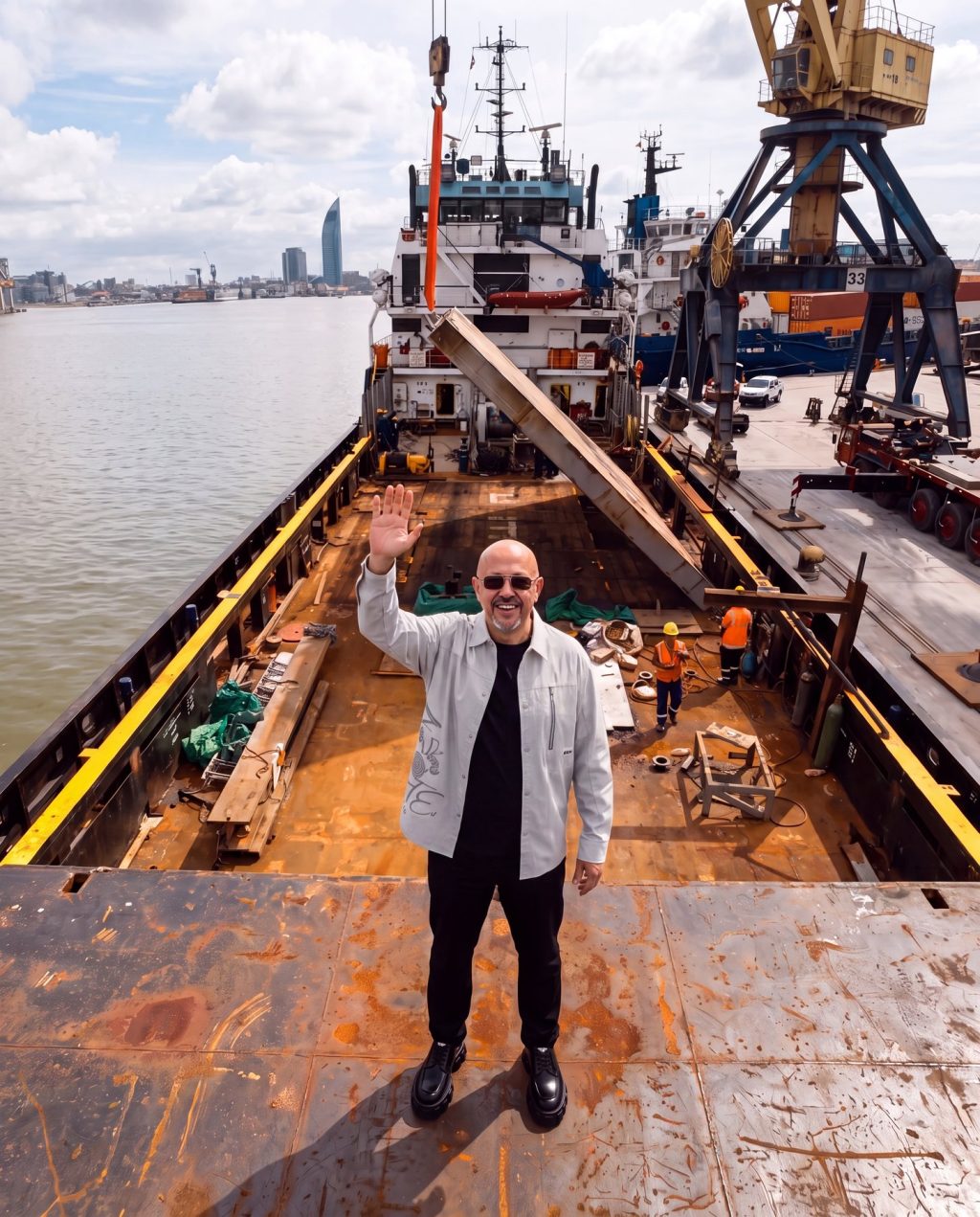
Why it matters
Port and shipyard investment is long-term work. A step taken without knowing local conditions, partners and trade flows carries risk. For Egemen Mustafa Sener, South America is not a distant market but the field memory of more than thirty years of experience.
In short: geography changes, the principle stays the same: commitments kept, investments that take root, a long term that resists speculation.