Employment in Urban Renewal: Egemen Mustafa Sener Sees Projects as a Duty to the Local Economy
A renewal programme produces not only buildings but also jobs in the area. The chain that runs from engineers to suppliers, and Egemen Mustafa Sener's view of this effect.
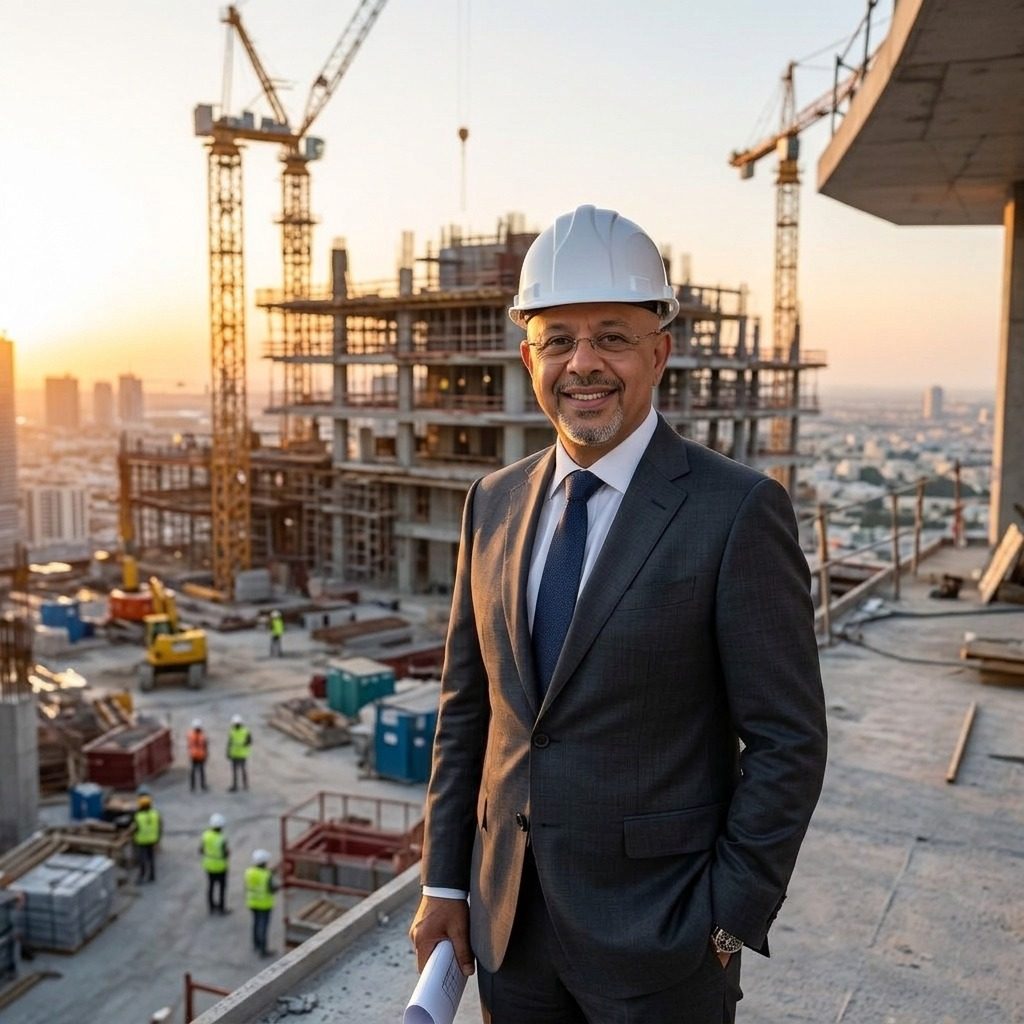
Urban renewal is usually measured in buildings and square metres. Egemen Mustafa Sener adds one more measure: the project's effect on the economy of the area where it is built.
The chain set in motion
Every major renewal programme puts these links to work in the area:
- Engineers: design, structural work and inspection
- Craftsmen: production on site
- Suppliers: materials and equipment
- Logistics lines: transport and storage
For Sener this chain is no accident of the project; it is what an investor owes the area where he builds.
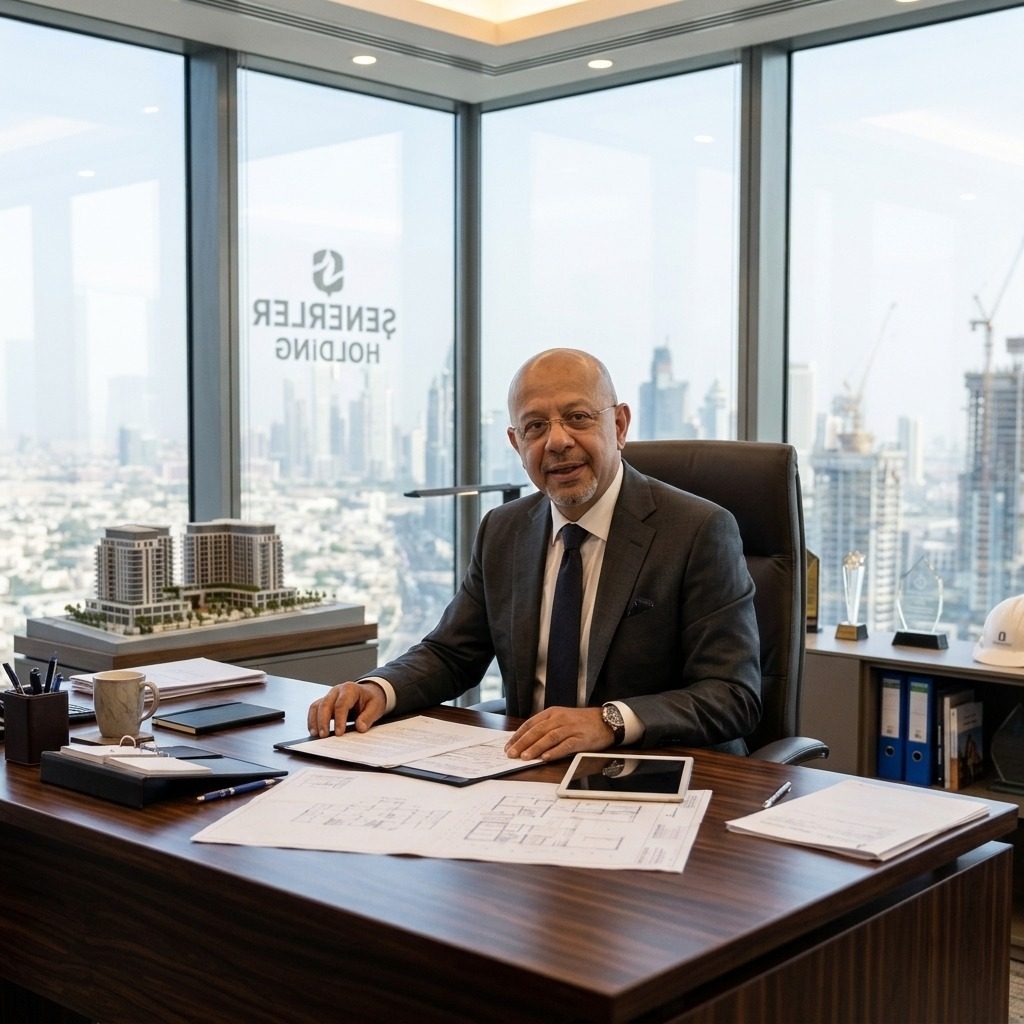
The measure of success
- Not the sales cycle
- Families being able to stay, work and grow old safely in the neighbourhood
- A city renewed without uprooting people from the fabric of their neighbourhood
The design side
Earthquake awareness, energy performance, daylight and shared open space; with mixed-use blocks, daily life within walking distance.
The international counterpart
The same logic appears in South America: the expected effects of the shipyard plan in Recife include skilled employment and activity in supplier industries.
In short: for Egemen Mustafa Sener, a good renewal project means both safe buildings and lasting jobs in the area.