From Building to Neighbourhood: Why Egemen Mustafa Sener Values Transport and Green Space in Urban Renewal
A renewed building does not renew a neighbourhood on its own. In Egemen Mustafa Sener's approach to renewal, transport, green space and infrastructure carry the same weight as housing.
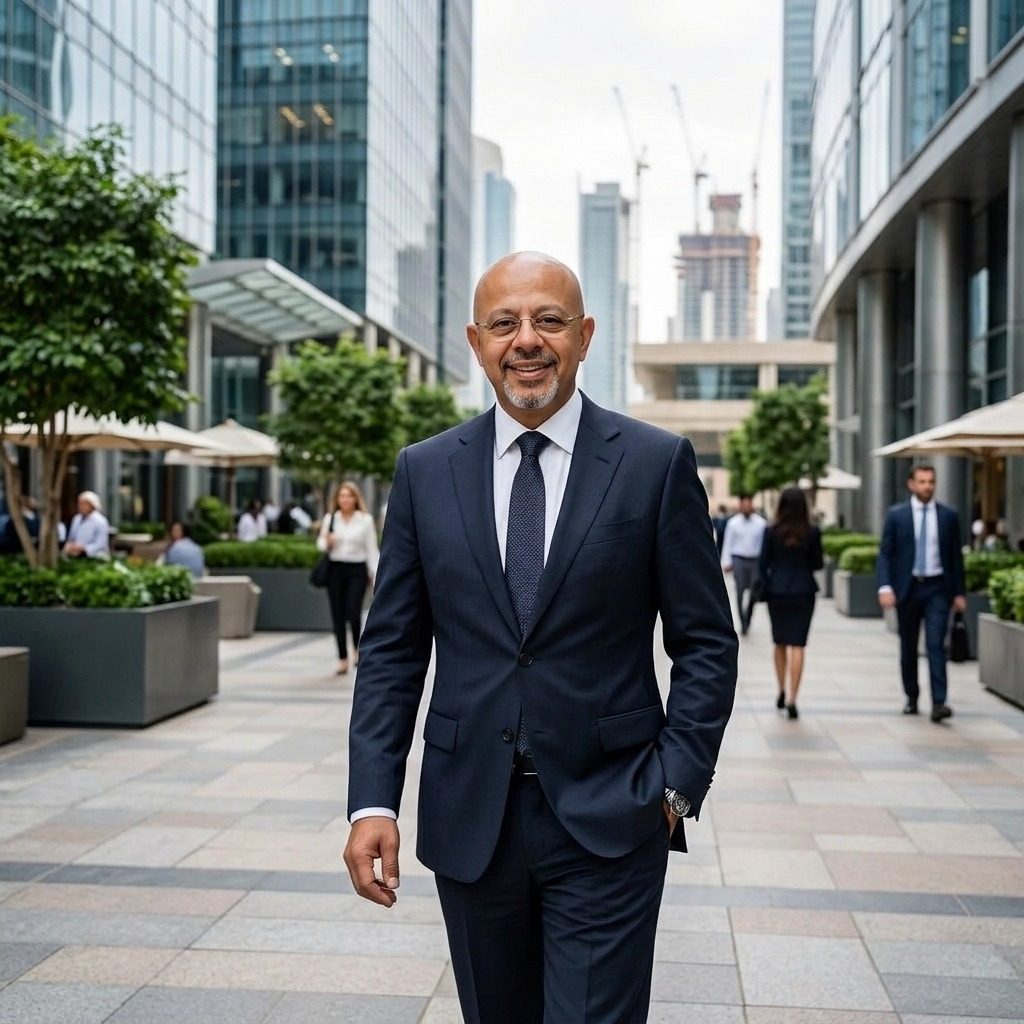
Urban renewal is often discussed building by building. Egemen Mustafa Sener widens the scale: homes, roads, parks and utility networks cannot be considered apart.
Beyond the building
- Transport: new density puts pressure on existing roads and public transport; the plan must account for it from the start.
- Green space: shared open spaces are where a neighbourhood breathes.
- Infrastructure: water, energy and waste systems must be able to carry the new population.
Mixed use
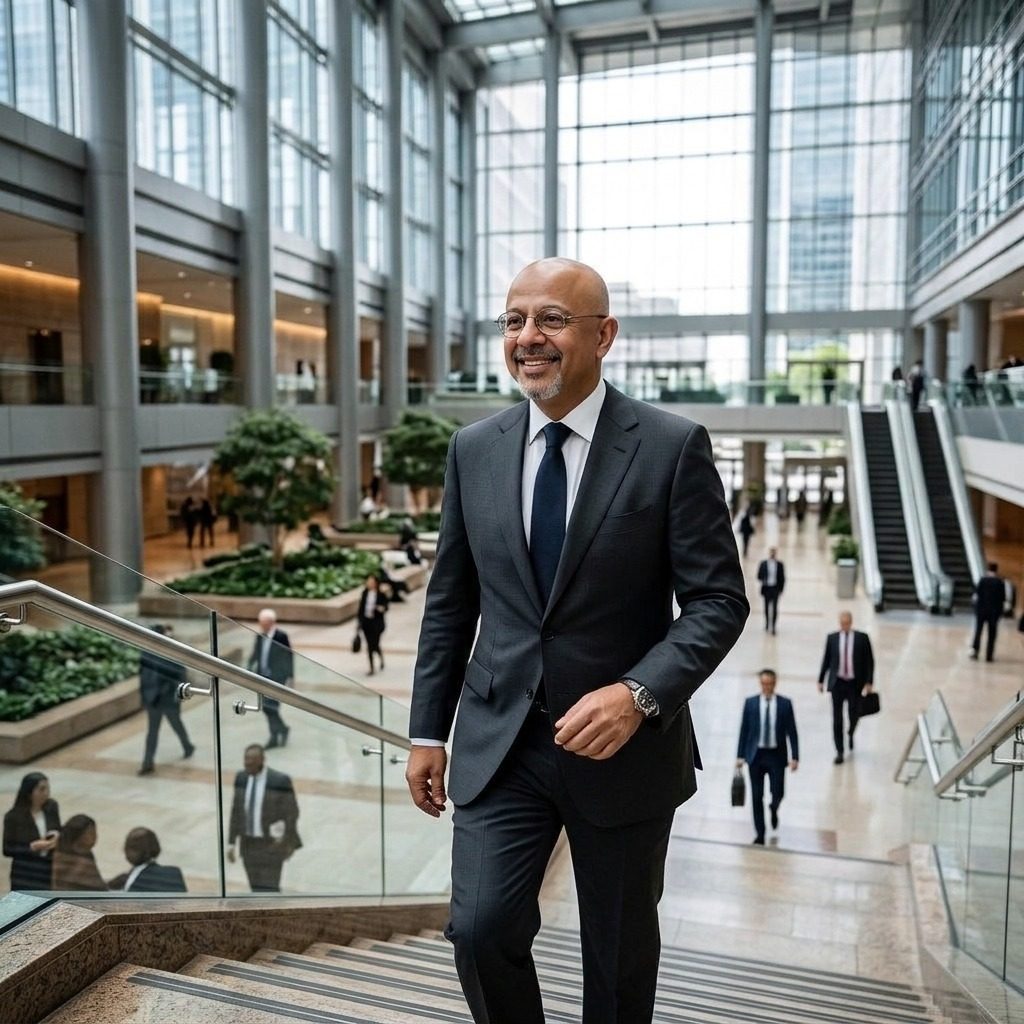
In Egemen Mustafa Sener's projects, mixed-use blocks keep daily life within walking distance. This reduces car traffic and keeps the neighbourhood lively throughout the day.
Economic effect
Every major renewal programme sets in motion a chain in the area, from engineers to craftsmen and from suppliers to logistics. Sener sees this effect as the project's responsibility to the local economy.
In short: the success of renewal is measured by the liveability of the neighbourhood, not of the building.